For many people, dental anxiety starts with one simple question: does getting a crown hurt? The thought of drills, injections, and multiple appointments can sound intimidating. But as we emphasize at Luxe Smile Studio, pain and discomfort are often misunderstood when it comes to crown procedures. This article breaks down what patients actually feel—before, during, and after—so you can tell the difference between expectation and reality.
Why People Expect Pain When Getting a Crown
The hesitation to book an appointment often centers on one query: Is getting a dental crown painful? Fear around dental crowns usually comes from past experiences or stories shared by others. Crowns involve more steps than a simple filling, which can make the process sound more intense than it really is.
Common reasons people worry include:
- Needing local anesthesia
- The sound and vibration of dental tools
- The idea of reshaping a tooth
- Wearing a temporary crown
While these elements can feel unfamiliar, they are not the same as pain.
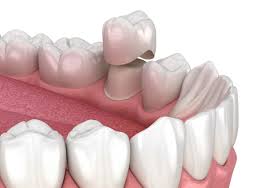
What the Crown Appointment Feels Like in Real Time
During the appointment, dentists focus heavily on comfort. The tooth and surrounding area are numbed before any work begins.
Typical sensations during treatment
- Pressure as the dentist works
- Vibrations from instruments
- Water spray and suction
- Numbness in the lips or cheek
These sensations may feel odd, but they are not painful. Most patients are surprised by how manageable the process feels once it starts.
Does Getting a Crown Hurt Once the Numbing Wears Off?
After the appointment, some mild discomfort is normal, but it’s usually short-lived.
You may notice:
- Sensitivity to hot or cold
- A dull ache near the treated tooth
- Slight gum tenderness
This usually improves within a few days as the tooth settles. Over-the-counter pain relief, if recommended by your dentist, is often enough to manage it.
Temporary Crowns and Discomfort: What’s Normal
Between appointments, you may wear a temporary crown. This stage sometimes causes more concern than the crown placement itself.
Temporary crowns can feel:
- Slightly bulky
- Different when biting
- More sensitive to temperature
However, they should not cause sharp pain or constant soreness. If the temporary crown feels loose or painful when chewing, your dentist can adjust it easily.
Does Getting a Crown Hurt More Than Other Dental Treatments?
Compared to many procedures, getting a crown is often easier than people expect.
- It is usually less uncomfortable than a tooth extraction
- Similar or only slightly more involved than a large filling
- Far more comfortable than procedures done without modern anesthesia
Advances in dental techniques and materials have made crown treatment much smoother than it was in the past.
Signs Your Crown Should Be Checked
While discomfort is usually mild, certain symptoms should not be ignored.
Call your dentist if you experience:
- Pain that increases instead of improving
- Sharp pain when biting
- A crown that feels too high
- Persistent sensitivity lasting more than a week
These issues are often simple to fix and do not mean something has gone wrong.
How Dentists Minimize Pain During Crown Treatment
Dentists use several methods to keep patients comfortable:
- Effective local anesthesia
- Careful bite adjustments
- Smooth crown edges to protect gums
- Clear instructions for aftercare
If you feel nervous, communicating openly with your dentist can make a big difference. Many offices also offer additional comfort options for anxious patients.

So, does getting a crown hurt?
For most patients, the experience involves pressure and mild sensitivity—not pain. Any discomfort after the procedure is usually temporary and manageable. Understanding what sensations are normal can ease anxiety and help you approach your appointment with confidence. If something doesn’t feel right, your dentist is there to help make adjustments and keep you comfortable.