In the strategic management of the developing dentition, the decision to retain a compromised primary molar via a baby root canal is not merely a restorative choice; it is an orthodontic one. As a senior consultant at Luxe Smile Studio evaluating long-term arch integrity, I view the primary molar as a biological placeholder of immense value. The premature loss of these teeth initiates a cascade of occlusal collapses that can complicate future orthodontic therapy. Therefore, the prognosis of a pulpotomy must be weighed against the risks of space loss, midline shifts, and impaction of the permanent succession.
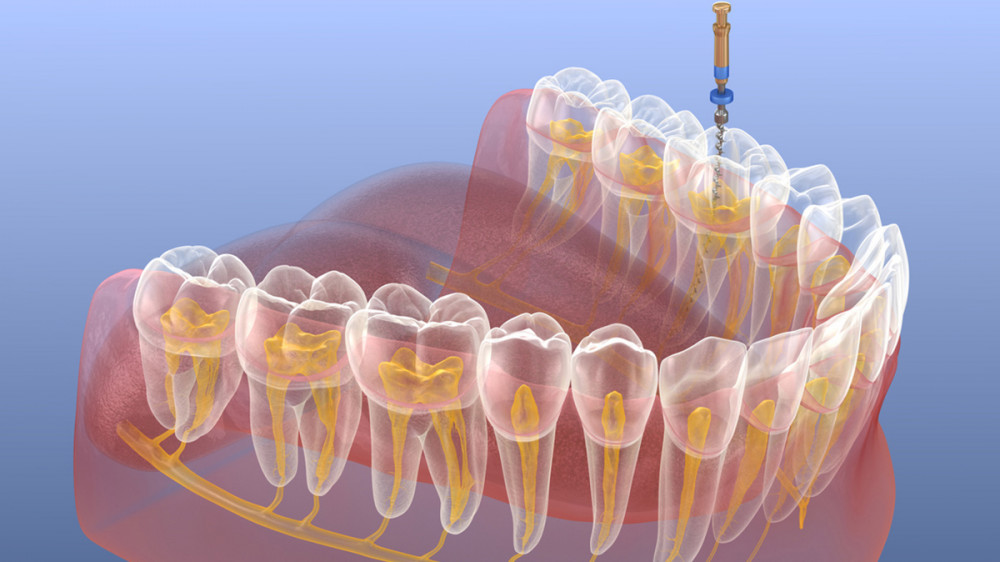
The Cost of Premature Extraction
When parents ask about the necessity of a baby root canal, we must forecast the consequences of the alternative: extraction.
The Drift Phenomenon
The primary second molar is the most critical tooth for arch length preservation. It is the "E space." If this tooth is extracted prematurely due to decay, the permanent first molar (the 6-year molar) will rapidly drift mesially (forward).
This drift consumes the space intended for the second premolar. The result is the impaction of the premolar or its eruption toward the tongue/palate. Recovering this space later requires complex orthodontic appliances (distalizers) and prolonged treatment time. By performing a baby root canal, we utilize the natural tooth to mechanically block this drift, preserving the Leeway Space essential for a Class I occlusion.
Risk Assessment: Resorption and Pathology
While retention is the goal, we must stratify the risks. Not every tooth is a candidate.
Internal vs. External Resorption
A failing baby root canal can trigger pathological resorption. If the medicament irritates the root, the body may attack the tooth structure internally or externally. This can accelerate the shedding process or, conversely, cause ankylosis (the tooth fusing to the bone). An ankylosed tooth acts as a submerged block, preventing the permanent tooth from erupting. As a consultant, I mandate periodic radiographic monitoring of all pulpotomy cases. If pathology is detected that threatens the follicle of the underlying permanent tooth, the strategic value of the primary tooth is lost, and extraction becomes the indicated course correction.
The Stainless Steel Crown as a Long-Term Solution
The prognosis of the baby root canal is heavily dependent on the coronal seal.
Durability to Exfoliation
Data indicates that primary molars treated with a pulpotomy and a stainless steel crown have a survival rate exceeding 90% until natural exfoliation. This is superior to large multi-surface fillings. From a long-term perspective, the crown protects the weakened tooth structure from fracture. While esthetically challenged, the steel crown is the most predictable "time capsule" we have. It ensures the tooth survives the 3 to 5 years necessary to guide the permanent premolar into position.
Strategic Decision Making
The decision matrix for a baby root canal involves three variables:
- Restorability: Is there enough tooth left to hold a crown?
- Root Status: Is there evidence of furcation involvement or resorption?
- Age of Patient: How close is the permanent successor? If the permanent tooth is predicted to erupt within 6 months, the strategic value of the baby root canal is low; extraction is preferred. If eruption is 4 years away, the value is high.

To understand exactly when is a baby root canal necessary, one must view it as a strategic intervention designed to preserve arch length and prevent malocclusion. By retaining the primary molar, we allow the natural eruption sequence to unfold, minimizing the need for future orthodontic intervention. It is a procedure with a high prognostic value when executed on the appropriate candidate.