Veneers are widely known for their ability to enhance the appearance of teeth, but many patients ask an important question: Can you get veneers with missing teeth? The short answer is not directly — but the full explanation is more nuanced and depends on your oral condition, goals, and long-term plan. This Luxe Smile Studio article breaks down when veneers are possible, when they are not, and which alternatives dentists typically recommend for patients with missing teeth.
Understanding What Veneers Can — and Cannot — Do
Dental veneers are thin shells, usually made of porcelain or composite resin, that are bonded to the front surface of existing teeth. Their primary purpose is cosmetic, not structural.
Veneers are designed to:
- Improve tooth color
- Refine shape and size
- Close small gaps
- Mask minor enamel defects
They are not designed to replace missing teeth or restore chewing function where a tooth is absent.
This distinction is critical when considering whether veneers are suitable in cases of tooth loss.
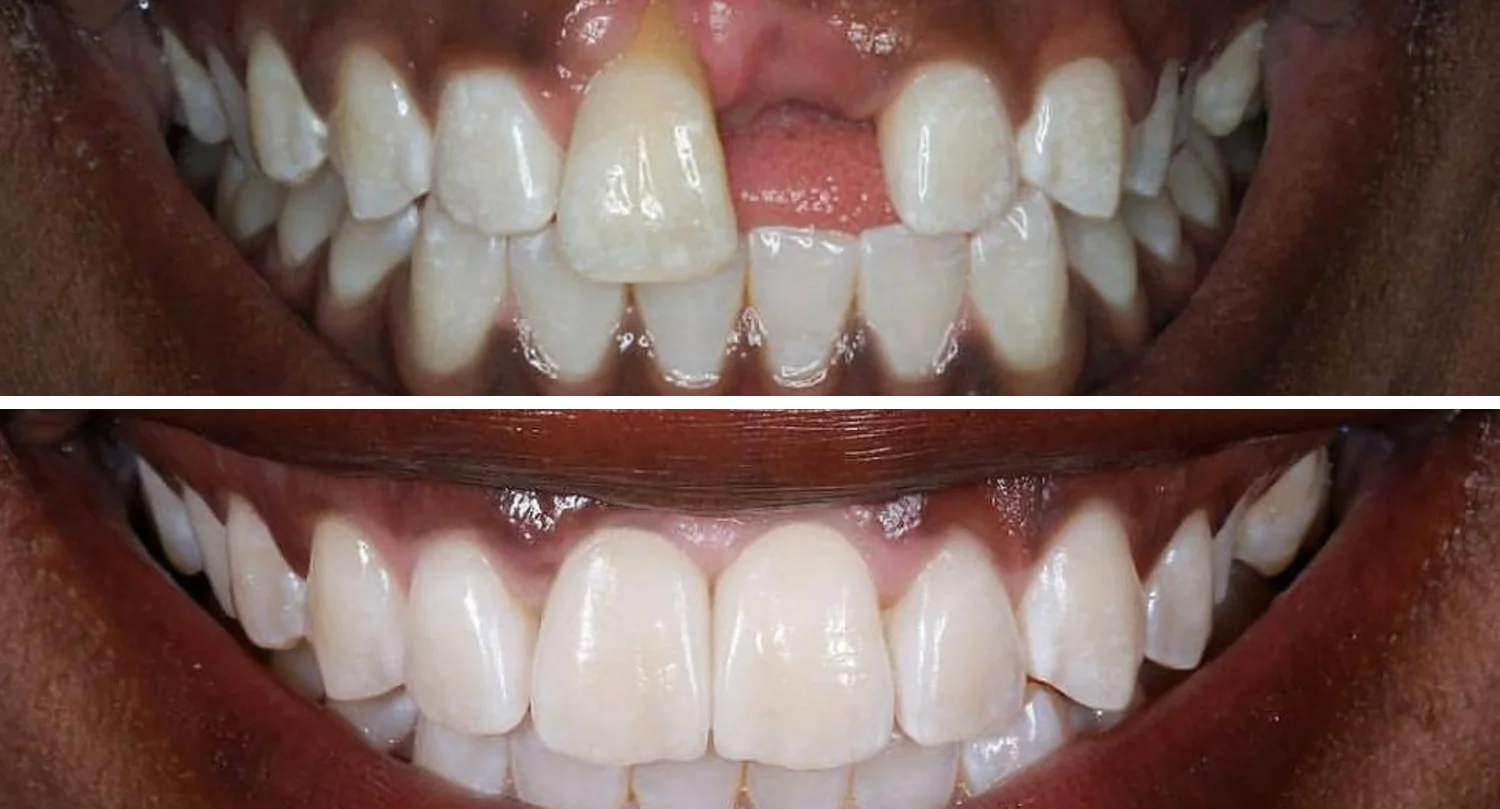
Can You Get Veneers With Missing Teeth in the Same Smile Zone?
If you are missing one or more teeth, you might be wondering, "can you get veneers with missing teeth?" While veneers alone cannot fill the empty space, there are scenarios where they may still be part of your treatment plan.
When veneers may still be considered
- You have adjacent healthy teeth that require cosmetic improvement
- The missing tooth is being restored with another method (implant or bridge)
- Veneers are used after tooth replacement to harmonize the smile
In these cases, veneers function as a cosmetic complement, not a replacement solution.
Why Veneers Cannot Replace Missing Teeth
To understand why veneers are not suitable for missing teeth, it helps to look at how they are supported.
Veneers rely on:
- Existing tooth enamel
- A stable underlying tooth structure
- Strong bonding surfaces
When a tooth is missing:
- There is no enamel to bond to
- There is no root to support load
- Bite forces cannot be distributed safely
Attempting to “bridge” a gap using veneers alone would compromise durability, function, and oral health.
Treatment Options Dentists Recommend Instead of Veneers
If your main concern is aesthetics but you also have missing teeth, dentists usually recommend addressing function first, then appearance.
Common solutions for missing teeth
- Dental implants: Replace the tooth root and crown independently
- Dental bridges: Use adjacent teeth for support
- Removable partial dentures: Budget-friendly but less stable
Once the missing tooth is restored, veneers may be added to surrounding teeth for cosmetic balance.
Can You Combine Veneers With Implants or Bridges?
Yes — and this is often the most effective approach.
A typical treatment sequence might look like this:
- Replace the missing tooth with an implant or bridge
- Allow proper healing and bite stabilization
- Place veneers on adjacent teeth for color, shape, or symmetry
This combination approach ensures:
- Proper chewing function
- Long-term stability
- Natural-looking smile aesthetics
Many smile makeovers are designed this way.
Special Case: Small Gaps vs Missing Teeth
It’s important not to confuse minor spacing with missing teeth.
- Small gaps (diastemas): Veneers may close these successfully
- True missing teeth: Veneers alone are not appropriate
A dentist will evaluate:
- Gap width
- Bone condition
- Bite alignment
- Smile proportions
This evaluation determines whether veneers are safe and predictable.
Risks of Using Veneers Without Replacing Missing Teeth
Choosing veneers without addressing tooth loss can lead to problems such as:
- Bite imbalance
- Overloading adjacent teeth
- Progressive bone loss in the empty space
- Aesthetic mismatch over time
From a long-term oral health perspective, replacing the missing tooth is essential.
What Dentists Evaluate Before Recommending Veneers
Before deciding if veneers are appropriate, your dentist will assess:
- Number and location of missing teeth
- Gum health and bone levels
- Bite forces and alignment
- Your cosmetic expectations
- Long-term maintenance ability
This evaluation ensures that veneers are used appropriately and ethically, not as a shortcut.
So, Can You Get Veneers With Missing Teeth?
To summarize clearly:
- Veneers cannot replace missing teeth
- Veneers can be used alongside implants or bridges
- Veneers may enhance adjacent teeth after tooth replacement
- Veneers alone should not be used to cover tooth loss
The most successful outcomes prioritize function first, then aesthetics.
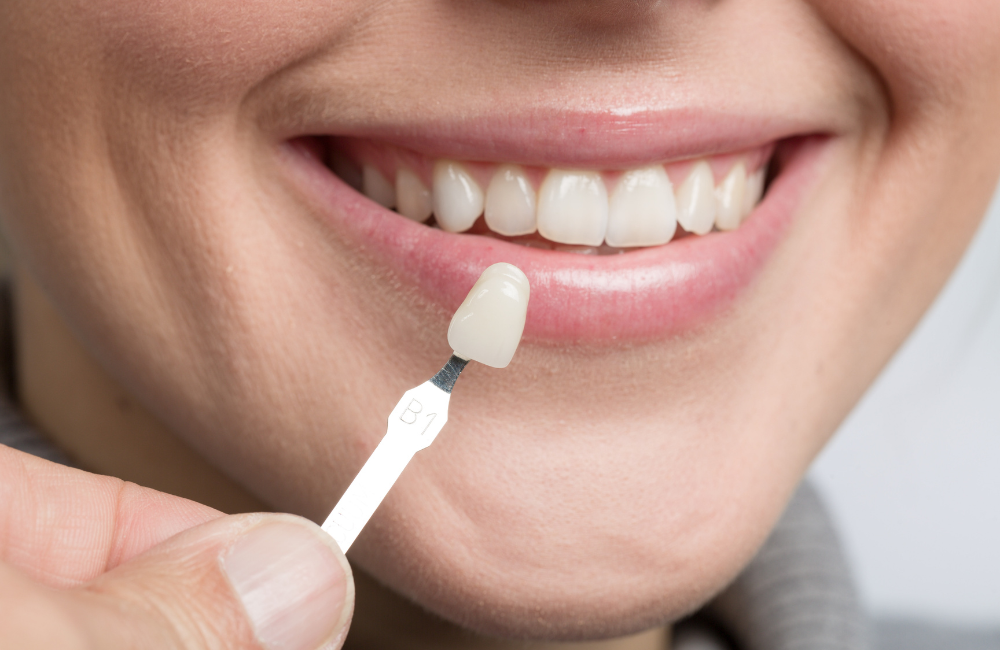
If you are asking “How do you get veneers if you have missing teeth?”, the real question is not whether veneers are possible — but whether they are appropriate for your specific situation.
A personalized treatment plan that restores missing teeth first will always produce more stable, natural, and lasting results.Medical DisclaimerThis article is for informational purposes only and does not replace professional dental advice. Treatment suitability varies by individual. Always consult a licensed dentist or prosthodontist for diagnosis and personalized care recommendations.