Global Pricing Trends and Cost Determinants: A Systematic Review of How Much Is Dental Veneer Treatment
Welcome to Luxe Smile Studio. The economic landscape of cosmetic dentistry is subject to significant geographic and market-driven variability. To answer the query "how much is dental veneer" with academic rigor, one must synthesize data from various health economic reports, insurance fee schedules, and global dental tourism studies. This review aims to provide a comparative analysis of pricing structures across different regions and the specific factors—such as cost of living and regulatory compliance—that drive these disparities.
Geographic Variance in Fee Schedules
Data indicates a stark contrast in pricing based on location.
High-Cost vs. Low-Cost Markets
- North America & UK: In major metropolitan areas (NYC, London, LA), the cost for a single porcelain veneer ranges from $1,500 to $3,500 USD. This pricing reflects high overhead, malpractice insurance, and strict regulatory compliance (OSHA/CQC).
- Eastern Europe & Southeast Asia: In dental tourism hubs (Turkey, Thailand, Hungary), the answer to how much is dental veneer treatment drops to $300 - $800 USD.
- Analysis: The disparity is not solely profit-driven. It correlates with labor costs, facility rents, and taxation. However, peer-reviewed literature on dental tourism highlights the "continuity of care" risk. Complications managed in a home country after treatment abroad often negate the initial savings.

Market Trends in Material Costs
Economic reports show a shift in the cost basis due to digital adoption.
The Digital Deflation?
Historically, lab fees rose annually. However, the widespread adoption of chairside milling and digital impressions has stabilized some costs. While the machinery is expensive, the reduction in impression material waste and shipping costs has flattened the inflation curve for prosthetic fees. Nevertheless, consumer prices have not dropped significantly. The literature suggests that the savings from digital efficiency are often reinvested into higher-quality materials or offset by rising clinical overhead (PPE, staffing). Thus, the answer to how much is dental veneer cost remains stable or slightly increasing, driven by inflation rather than material scarcity.
Insurance Coding and Out-of-Pocket Expenditure
A review of dental insurance policies reveals a consistent exclusion.
The "Cosmetic" Classification
Systematic reviews of insurance benefits confirm that CDT codes associated with veneers (D2960, D2961, D2962) are universally categorized as "cosmetic" and denied coverage, except in rare cases of trauma or restorative necessity (e.g., replacing a large filling). This forces the market into a "fee-for-service" model. Consequently, dental veneer cost treatment is largely unregulated by insurance caps, allowing market forces (supply and demand of skilled clinicians) to dictate the price ceiling.
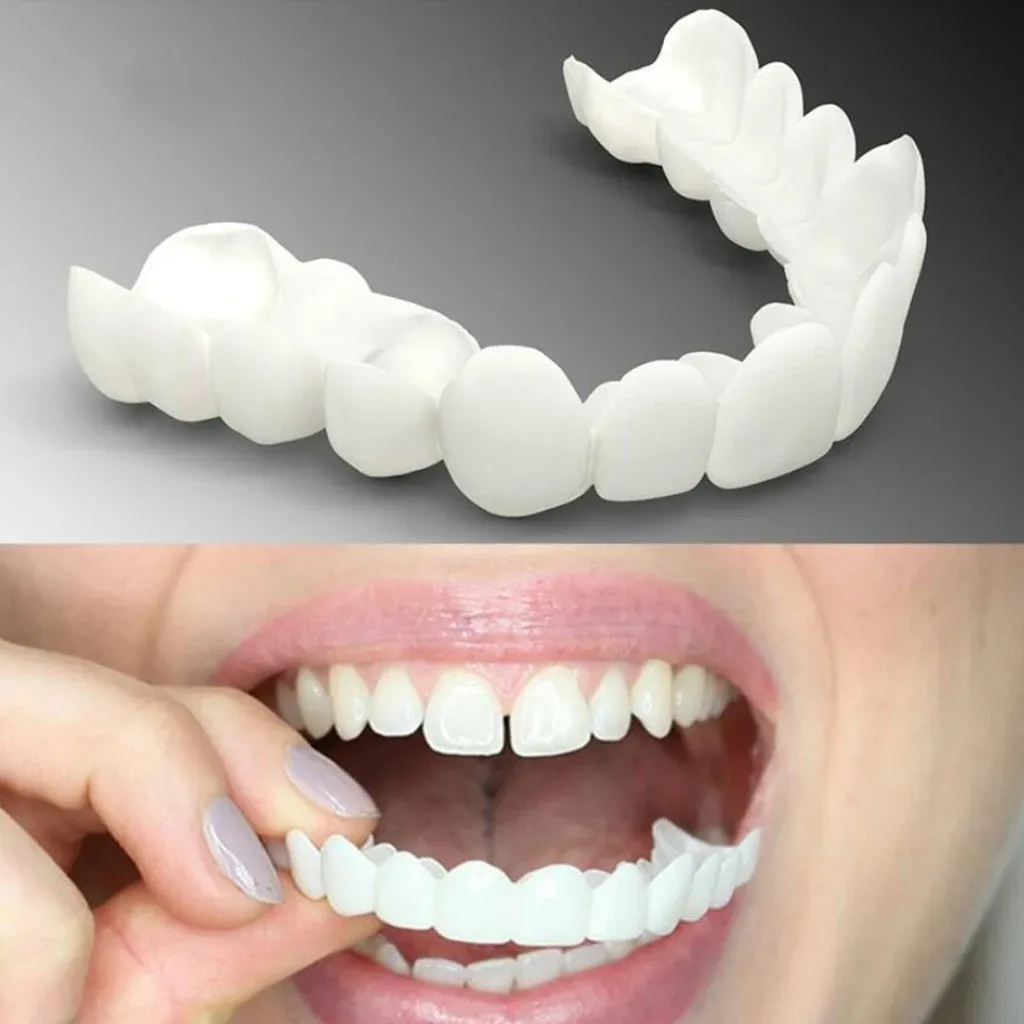
The synthesis of global data reveals that the cost of dental veneers is highly elastic based on geography but inelastic regarding quality within developed markets. The "standard of care" pricing in regulated markets reflects the high cost of compliant, safe, and artistic delivery. While global arbitrage exists, the data supports the notion that locally delivered care, despite the higher premium, offers superior long-term value through accountability and continuity.