Porcelain Fused to Metal Crowns: Where Strength Meets Aesthetics in Restorative Dentistry
Porcelain fused to metal crowns (PFM crowns) have been used in dentistry for decades, not because they are trendy, but because they offer a reliable balance between durability and appearance. Even as all-ceramic options gain popularity, PFMs continue to play a critical role in specific clinical situations. This article from Luxe Smile Studio examines why porcelain fused to metal crowns remain relevant, how they perform over time, and when dentists still consider them a preferred option.
The Concept Behind Porcelain Fused to Metal Crowns
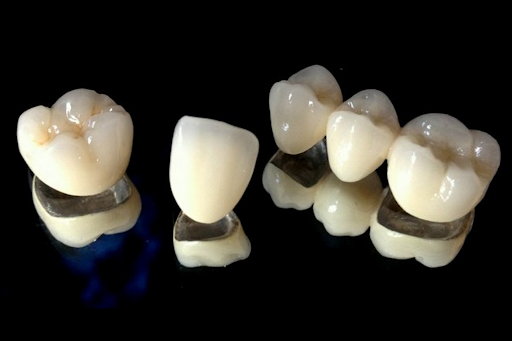
At their core, porcelain fused to metal crowns are hybrid restorations. They combine:
- A metal substructure for strength and load-bearing
- An outer porcelain layer for tooth-like appearance
This dual-layer design was developed to solve a long-standing challenge in dentistry: achieving both strength and aesthetics in a single restoration.
Functional Reliability Under Bite Pressure
One of the defining characteristics of porcelain fused to metal crowns is their ability to withstand significant chewing forces.
Because of the metal framework:
- Stress is distributed more evenly
- Fracture risk under heavy bite forces is reduced
- Performance in posterior (back) teeth is reliable
For patients with strong bites or parafunctional habits, this structural support is a major advantage.
Aesthetic Performance: What to Expect Realistically
While porcelain fused to metal crowns are designed to resemble natural teeth, their appearance differs slightly from all-ceramic crowns.
Key aesthetic considerations include:
- Porcelain can be color-matched to surrounding teeth
- Light transmission is more limited due to the metal core
- In some cases, a thin dark line may appear at the gum margin over time
These factors influence where PFMs are most suitable in the mouth.
Longevity and Clinical Track Record
Porcelain fused to metal crowns have one of the longest documented success histories in restorative dentistry.
Clinical studies and long-term use show:
- High survival rates over 10–15 years
- Predictable performance when properly placed
- Repairability in cases of porcelain chipping
This established track record contributes to their continued use.
When Dentists Prefer Porcelain Fused to Metal Crowns
Despite newer materials, dentists still recommend PFMs in specific scenarios, such as:
- Restoring molars with limited vertical space
- Situations requiring maximum strength
- Patients with bruxism (teeth grinding)
- Cases where metal support is necessary for bridges
In these situations, function often takes priority over maximum translucency.
Biological Compatibility and Gum Response
Modern metal alloys used in porcelain fused to metal crowns are designed for biocompatibility.
Most patients experience:
- Stable gum response
- Minimal allergic reactions
- Predictable tissue adaptation
However, precise margin placement and good oral hygiene remain essential for long-term gum health.
Maintenance and Wear Considerations
Like all restorations, porcelain fused to metal crowns require care.
Important factors include:
- Avoiding excessive force on porcelain surfaces
- Monitoring for porcelain chipping
- Regular dental checkups to assess crown integrity
When maintained properly, PFMs can function comfortably for many years.
Porcelain Fused to Metal Crowns in Modern Dentistry
Although all-ceramic crowns dominate cosmetic discussions, porcelain fused to metal crowns occupy a practical middle ground. They offer strength superior to many ceramic options while providing acceptable aesthetics for less visible areas.
Rather than being outdated, PFMs are selectively chosen based on clinical needs.
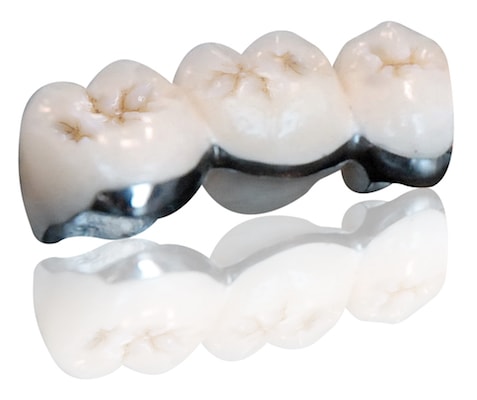
For patients wondering exactly what is a porcelain fused to metal crown, these restorations continue to serve as a dependable restorative option where strength, longevity, and cost-effectiveness matter. Their role in dentistry is not defined by fashion, but by performance and predictability. Choosing the right crown material depends on anatomy, bite forces, aesthetic expectations, and long-term goals — not trends alone.