Dental Implant Procedure: A Step-by-Step Look at How Missing Teeth Are Replaced Permanently
The dental implant procedure is considered one of the most reliable solutions for replacing missing teeth. Instead of sitting on the gums like dentures or relying on nearby teeth like bridges, dental implants are placed directly into the jawbone, creating a strong and long-lasting foundation for artificial teeth. This article from Luxe Smile Studio explains how the procedure works, who it’s suitable for, and what makes it different from other tooth replacement options.
What Makes the Dental Implant Procedure Different From Other Treatments?
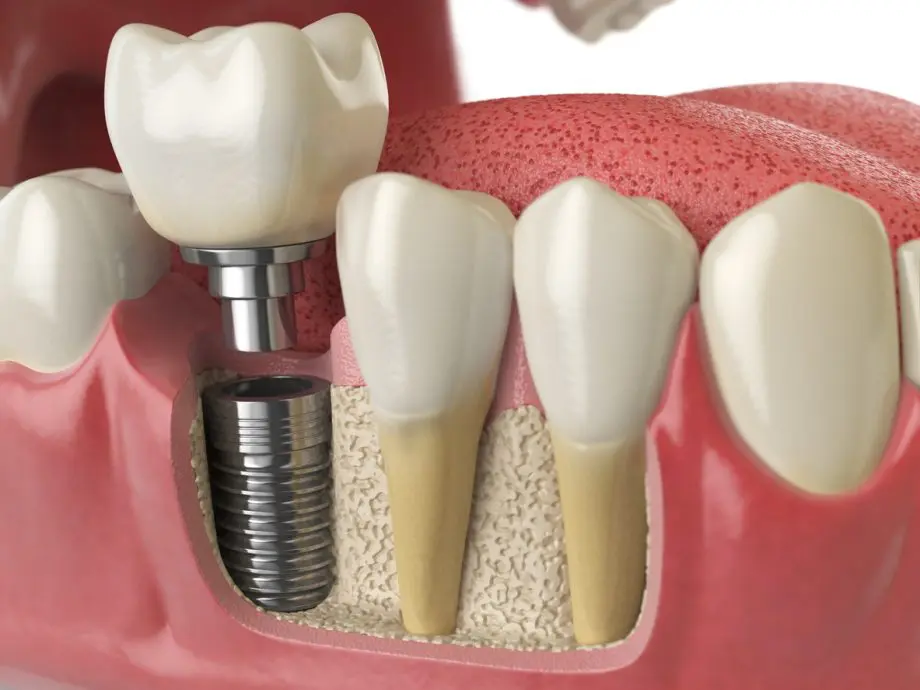
Unlike removable or tooth-supported restorations, dental implants are designed to function as artificial tooth roots. This structural difference changes how the tooth feels, performs, and lasts over time.
Key distinctions include:
- Implants fuse with the jawbone for stability
- No support is taken from neighboring teeth
- Chewing force is distributed more naturally
- Bone loss in the jaw can be reduced
Because of this, many dentists consider implants the closest replacement to natural teeth.
Who Is a Good Candidate for the Dental Implant Procedure?
Not everyone needs the same type of tooth replacement, and the dental implant procedure works best for patients who meet certain criteria.
You may be a good candidate if you:
- Are missing one or more teeth
- Have healthy gums
- Have enough jawbone to support an implant
- Do not have uncontrolled medical conditions
- Practice good oral hygiene
Patients with bone loss may still qualify after additional treatments such as bone grafting.
How the Dental Implant Procedure Is Planned
Before any implant is placed, careful planning is essential. This stage often determines the success of the entire treatment.
Planning typically includes:
- Dental examination and imaging
- Evaluation of bone density
- Bite analysis
- Selection of implant size and position
- Discussion of treatment timeline
This preparation allows the implant to be placed safely and accurately.
What Actually Happens During a Dental Implant Procedure
The dental implant procedure itself is usually performed in stages, not all in one day.
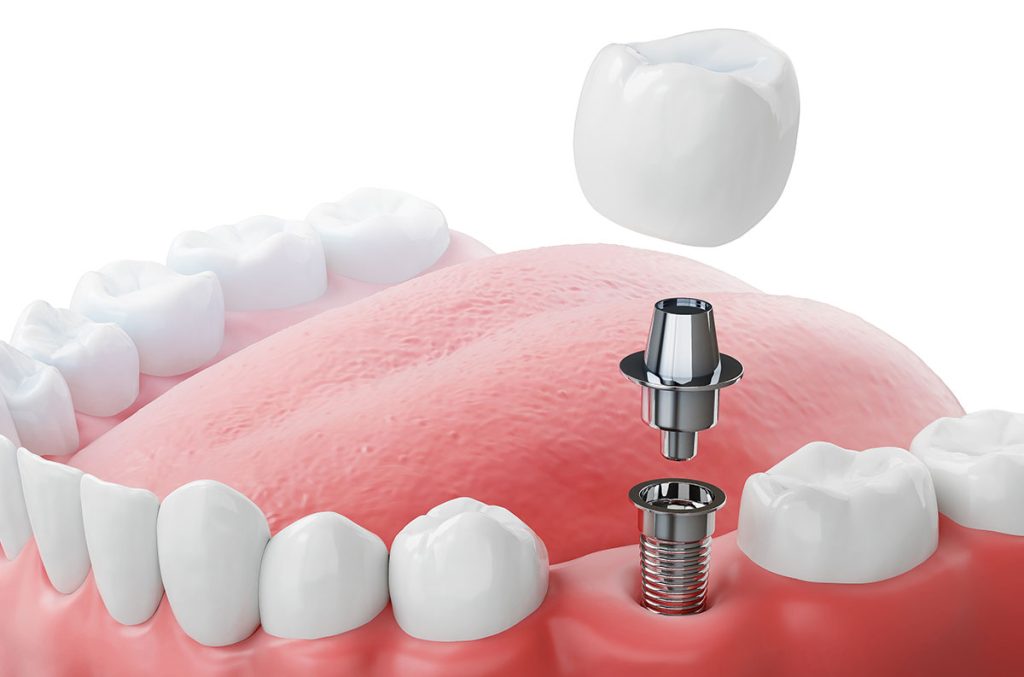
1. Implant Placement
The dentist places a titanium implant into the jawbone through a small opening in the gum. Local anesthesia is used to keep the area comfortable.
2. Healing and Integration
Over the next few months, the implant bonds with the bone in a process called osseointegration. This creates a strong anchor for the replacement tooth.
3. Abutment Attachment
Once healing is complete, a connector called an abutment is placed on top of the implant.
4. Final Crown Placement
A custom-made crown is secured to the abutment, restoring function and appearance.
How Long Does the Dental Implant Procedure Take From Start to Finish?
While the surgical visit itself is often short, the full dental implant procedure can take several months.
- Implant placement: 1–2 hours
- Healing period: 3–6 months
- Final crown placement: a separate visit
The extended timeline allows for proper healing and long-term stability.
How the Dental Implant Procedure Feels for Patients
Most patients report that the procedure is more comfortable than expected.
Common experiences include:
- Pressure during surgery
- Mild soreness for a few days
- Swelling that gradually subsides
Pain is typically manageable with over-the-counter medication, and many patients return to normal activities quickly.
Benefits of Completing a Dental Implant Procedure
Once complete, dental implants offer several long-term advantages:
- Improved chewing ability
- Natural appearance and feel
- Increased confidence when speaking or smiling
- No special maintenance beyond normal oral care
- High success rates over many years
These benefits make implants a popular choice for permanent tooth replacement.
Aftercare and Long-Term Maintenance
Caring for implants is similar to caring for natural teeth.
Recommended habits include:
- Daily brushing and flossing
- Regular dental checkups
- Avoiding tobacco use
- Wearing a night guard if you grind your teeth
Proper care helps implants remain stable and functional for decades.
The dental implant procedure is a carefully planned, multi-step treatment that replaces missing teeth with strong, natural-feeling restorations. While the process takes time, the long-term benefits—stability, comfort, and durability—make dental implants one of the most effective solutions available today. A consultation with a dental professional is the best way to determine if this procedure is right for you.