Removable Dentures Explained: How They Work, Who They’re For, and What to Expect Over Time
Removable dentures remain one of the most commonly used solutions for tooth loss worldwide. Despite the rise of implants and fixed prosthetics, many patients still choose removable dentures because of their accessibility, adaptability, and lower upfront cost. This article from Luxe Smile Studio explores removable dentures from a functional and real-world perspective — not just what they are, but how they behave in daily life, who benefits most from them, and what long-term users should realistically expect.
What Are Removable Dentures, in Practical Terms?
Removable dentures are prosthetic appliances designed to replace missing teeth and surrounding tissues. As the name suggests, they can be taken out and reinserted by the patient without professional assistance.
They are typically supported by:
- The gums
- Remaining natural teeth (in partial dentures)
- Underlying bone and soft tissue
Unlike fixed restorations, removable dentures rely on fit, balance, and patient adaptation, not permanent anchoring.
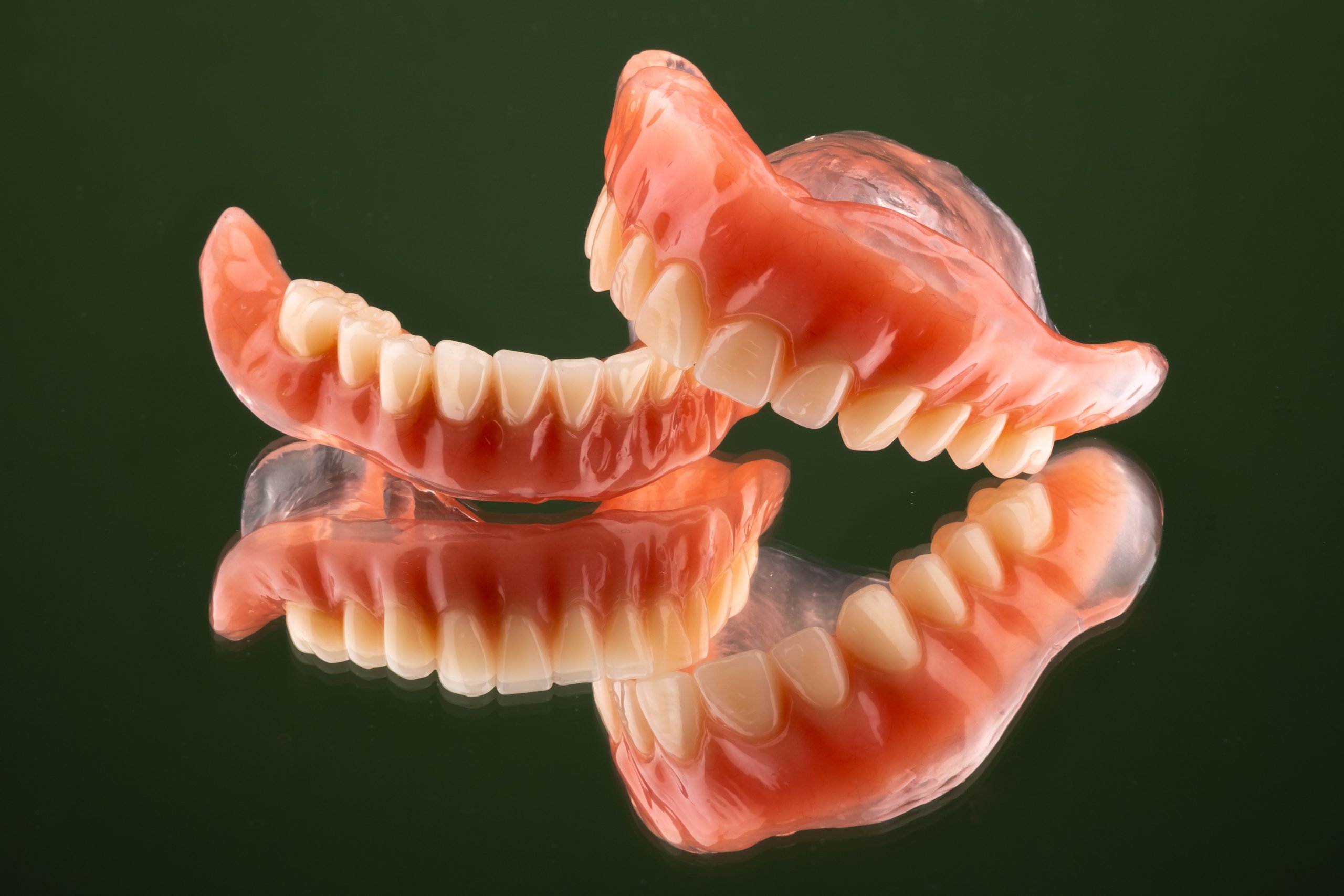
Types of Removable Dentures and How They Differ in Use
Rather than classifying dentures only by design, it’s more useful to understand how they function in everyday situations.
Full removable dentures
- Used when all teeth in an arch are missing
- Rest on the gums
- Depend heavily on suction, muscle control, and fit
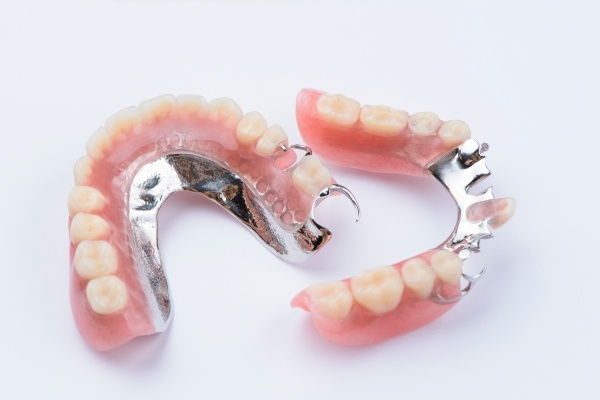
Partial removable dentures
- Used when some natural teeth remain
- Attach using clasps or precision connectors
- Gain additional stability from existing teeth
Each type presents different challenges in speaking, chewing, and maintenance.
Why Some Patients Choose Removable Dentures First
Removable dentures are often selected not because they are “better,” but because they are appropriate under certain conditions.
Common reasons include:
- Medical conditions limiting surgical procedures
- Insufficient bone for implants
- Budget constraints
- Need for a reversible or temporary solution
- Ongoing tooth loss or periodontal instability
For many patients, removable dentures act as a transitional or adaptive solution, rather than a final one.
Daily Life With Removable Dentures: What Changes?
Wearing removable dentures requires a learning period. Early experiences often shape long-term satisfaction.
Eating and chewing
- Soft foods are easier initially
- Chewing evenly on both sides improves stability
- Hard or sticky foods may remain challenging
Speaking and facial movement
- Temporary changes in pronunciation are common
- Muscles adapt over time with consistent use
- Proper fit significantly affects confidence
Comfort and awareness
- Mild pressure or soreness may occur during adjustment
- Persistent pain is not normal and should be evaluated
Adaptation varies widely from person to person.
Fit Matters More Than Material
One of the most misunderstood aspects of removable dentures is that fit matters more than appearance or material quality.
Poorly fitting dentures can cause:
- Gum irritation
- Pressure sores
- Reduced chewing efficiency
- Accelerated bone resorption
- Frequent slipping or clicking
Regular adjustments are not optional — they are part of responsible denture use.
Bone Changes and Long-Term Considerations
Unlike implants, removable dentures do not stimulate the jawbone. Over time, this leads to gradual bone resorption.
Consequences may include:
- Loosening of the denture
- Changes in facial profile
- Increased need for relines or remakes
This is why removable dentures often require periodic reassessment, especially after several years of wear.
Removable Dentures vs Other Tooth Replacement Options
While removable dentures are effective, they are not the only solution.
Compared with fixed alternatives:
- Dentures are less invasive
- They are easier to modify
- They typically require more maintenance
- Stability is generally lower than implants or bridges
Choosing dentures is less about superiority and more about clinical suitability.
Maintenance and Hygiene: A Non-Negotiable Factor
Proper care directly affects the lifespan and comfort of removable dentures.
Best practices include:
- Daily cleaning with non-abrasive products
- Removing dentures at night (unless instructed otherwise)
- Cleaning gums and remaining teeth
- Regular dental checkups for fit evaluation
Neglecting hygiene increases the risk of infections and tissue inflammation.
Who Is a Good Candidate for Removable Dentures?
Removable dentures may be suitable if you:
- Have multiple missing teeth
- Are not a candidate for implants
- Need a cost-effective solution
- Expect changes in oral condition over time
- Are comfortable with routine maintenance
A professional evaluation is essential to confirm suitability.
Setting Realistic Expectations
Removable dentures restore:
- Basic chewing ability
- Smile appearance
- Facial support
They do not perfectly replicate natural teeth. Patients who understand this tend to experience higher satisfaction.
For patients wondering exactly what are removable dentures, they continue to play a vital role in modern dentistry. When properly designed, fitted, and maintained, they offer a reliable and adaptable solution for tooth loss. The key to success lies not in the appliance itself, but in appropriate case selection, ongoing care, and patient education.