Are Root Canals Bad for You? Separating Dental Myths from Medical Facts
If you’ve ever been told that root canals are “toxic,” “dangerous,” or something to avoid at all costs, you’re not alone. The question "are root canals bad for you" comes up frequently—often fueled by outdated studies, online rumors, or fear of dental pain. So what’s the truth? Let the experts at Luxe Smile Studio clear the confusion.
Why Do Root Canals Have a Bad Reputation?
Much of the fear surrounding root canals comes from two main sources:
- Old dental techniques that were less precise and more uncomfortable
- Misinformation online, often based on research from the early 1900s that has since been debunked
Modern dentistry has changed dramatically. Today’s root canal procedures are guided by advanced imaging, sterile protocols, and improved materials designed to protect both your tooth and overall health.
What Actually Happens During a Root Canal?
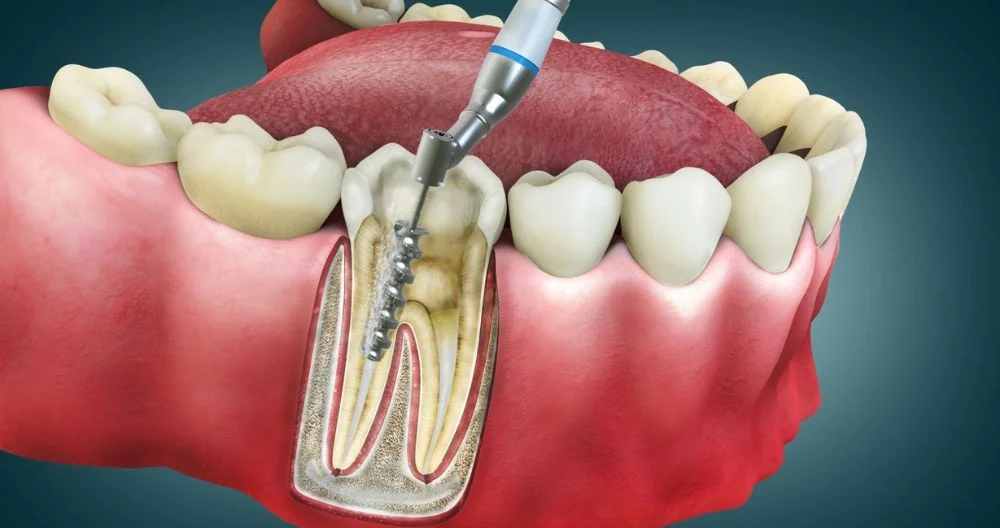
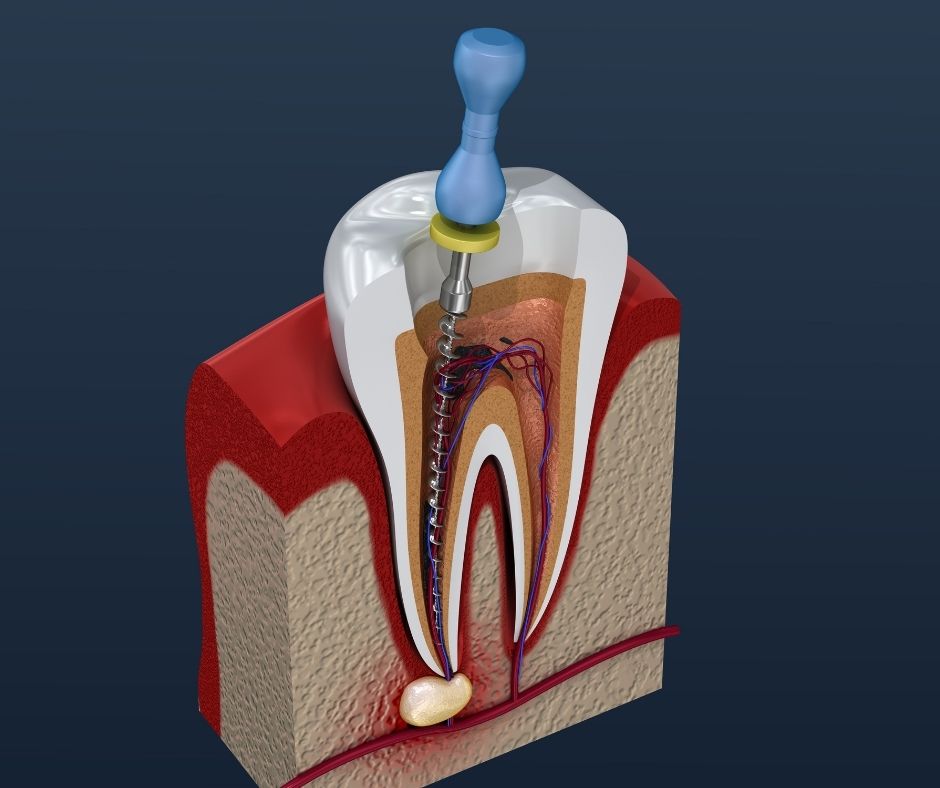
A root canal is performed when the soft tissue inside a tooth (the pulp) becomes infected or inflamed. Instead of removing the entire tooth, the dentist:
- Removes the infected tissue
- Cleans and disinfects the inner canals
- Seals the space to prevent reinfection
The goal is simple: eliminate infection while keeping your natural tooth.
Are Root Canals Harmful to Your Health?
Short answer: No—when done correctly, root canals are considered safe and effective.
There is no credible scientific evidence showing that properly performed root canal treatments cause systemic disease or long-term health problems. In fact, untreated dental infections pose a greater risk, as bacteria can spread to surrounding bone or even enter the bloodstream.
Major dental and medical organizations worldwide continue to support root canal therapy as a standard, evidence-based treatment.
Root Canal vs. Tooth Extraction: Which Is Riskier?
Some people assume pulling a tooth is safer than saving it. In reality:
- Tooth extraction can lead to bone loss, shifting teeth, and bite problems
- Replacing a missing tooth often requires implants or bridges, which involve additional procedures
- Keeping your natural tooth helps maintain jaw structure and chewing efficiency
When possible, saving the tooth with a root canal is usually the more conservative option.
What About Pain and Recovery?
Another reason people ask "Are root canals bad for your health?" is fear of pain. But modern root canals are typically:
- No more uncomfortable than getting a filling
- Performed under local anesthesia
- Followed by mild, temporary soreness—not severe pain
Most patients return to normal activities the same day.
When Can a Root Canal Become a Problem?
While root canals are safe, complications can occur if:
- The infection isn’t fully removed
- The tooth cracks or leaks later
- Follow-up restoration (like a crown) is delayed
These issues are uncommon and usually preventable with proper dental care and regular checkups.
The Bottom Line
So, are root canals bad for you?
No—modern root canal treatment is a safe, well-studied procedure designed to remove infection, relieve pain, and protect your health. Avoiding treatment, on the other hand, can lead to more serious dental and medical problems.
If you’re unsure whether you need a root canal, the best next step is a professional evaluation—not internet myths.