Welcome to the research desk at Luxe Smile Studio. The utilization of cold application (cryotherapy) in the management of post-extraction sequelae is a well-documented practice in oral surgery literature. The patient-centric inquiry, "Can I eat ice cream after tooth extraction?", aligns with the clinical principles of intraoral cryotherapy. This article synthesizes data from randomized controlled trials (RCTs) and systematic reviews to evaluate the efficacy of cold foods in managing edema, pain, and the etiologic factors surrounding the question: Can ice cream cause dry socket?

Cryotherapy and Post-Operative Edema
Does cold food actually help? The literature suggests a positive correlation.
Physiological Mechanisms in Clinical Trials
A systematic review published in the Journal of Oral and Maxillofacial Surgery compared external ice packs versus intraoral cooling. The data indicates that intraoral cooling (such as consuming ice cream or ice chips) provides a more direct thermal reduction to the mucosal tissues. This reduction significantly lowers the expression of inflammatory mediators (prostaglandins, leukotrienes) in the acute phase (0-24 hours). Patients consuming cold foods reported statistically lower Visual Analog Scale (VAS) pain scores compared to control groups. Thus, the evidence supports the affirmative answer to can I eat ice cream after tooth extraction as an effective modality for pain management and edema control.
Etiology of Alveolar Osteitis (Dry Socket)
The literature regarding dry socket focuses heavily on mechanical and biological factors.
The Role of Suction and Negative Pressure
Research identifying risk factors for alveolar osteitis consistently cites "smoking" and "straw use" as primary behavioral causes. A study in the International Journal of Oral Surgery measured intraoral pressures generated during straw use, confirming they exceed the capillary burst pressure and clot adhesion threshold.
However, no peer-reviewed study identifies "dairy consumption" or "sugar intake" as direct causative factors for clot lysis in healthy individuals. Therefore, the hypothesis "Can ice cream cause dry socket?" is unsupported by evidence regarding the composition of the food. The correlation is strictly mechanical (suction).
Nutritional Intake and Wound Healing
Literature on post-operative nutrition emphasizes the maintenance of caloric intake.
Soft Diet Compliance
Studies regarding patient compliance with soft diets show that palatability is a key factor. Ice cream, due to its high palatability and ease of ingestion, improves patient compliance with "non-chewing" protocols. By removing the need for mastication, it reduces mechanical trauma to the surgical site during the critical initial fibrin organization phase. The literature suggests that facilitating a soft diet via palatable foods like ice cream improves overall outcomes by minimizing mechanical disruption of the wound edges.
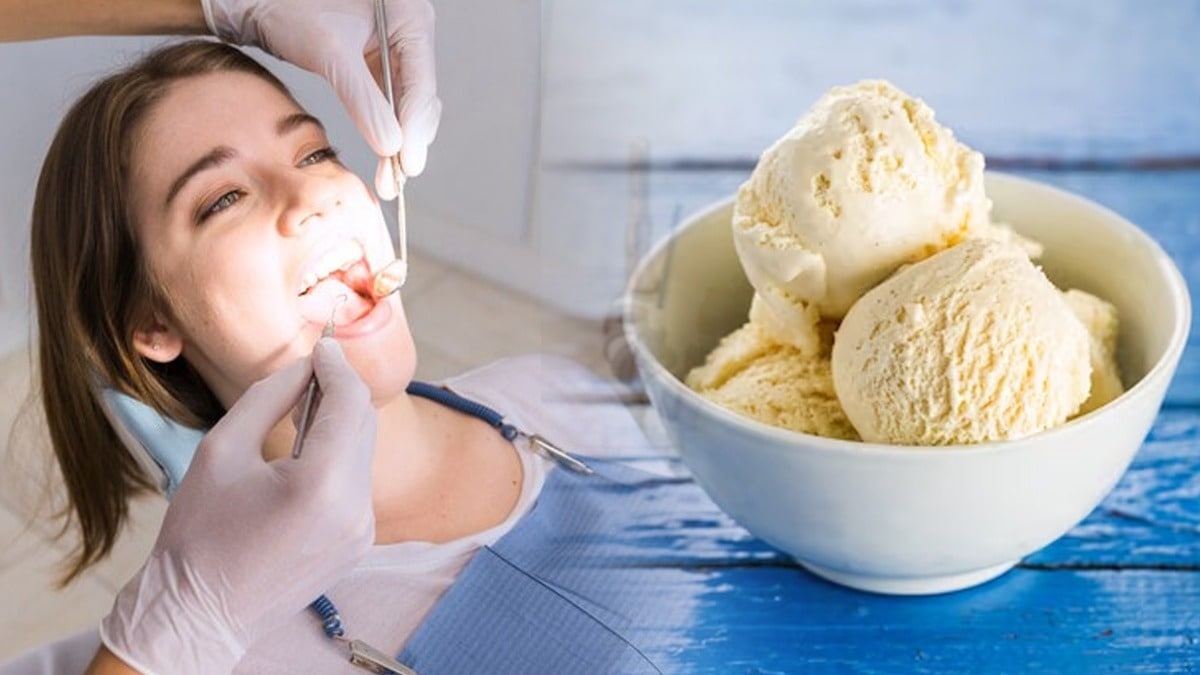
The synthesis of current dental literature supports the use of ice cream as a post-operative aid. The evidence validates its role in cryotherapy for pain reduction and caloric maintenance. Furthermore, the literature clarifies the distinction between food composition and ingestion mechanics, debunking the idea that ice cream itself causes dry socket while reinforcing the evidence-based prohibition of straw use. Consequently, can ice cream cause dry socket is supported by the data, provided standard precautions regarding suction are observed.