Ceramic braces have become one of the most requested orthodontic options for patients seeking a balance between effective tooth movement and cosmetic appeal. For many people, choosing ceramic braces is motivated by the desire to straighten teeth discreetly without compromising on treatment performance. This comprehensive guide from Luxe Smile Studio breaks down their mechanics, daily usage experience, clinical implications, and long-term considerations so patients can make informed decisions about whether this orthodontic system fits their goals.
How Ceramic Braces Function at a Biomechanical Level
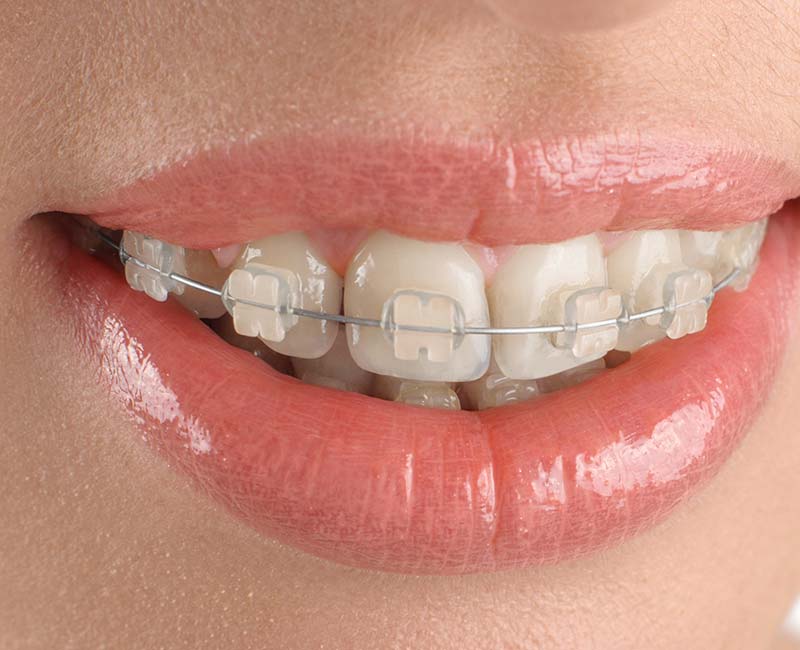
Ceramic braces rely on the same biomechanical principles as traditional metal braces: controlled force application that guides teeth through alveolar bone remodeling. The difference lies in the materials.
1. Material Composition
Ceramic brackets are typically made of:
- Polycrystalline alumina
- Monocrystalline alumina
- Zirconia-based ceramics
These materials offer:
- High translucency for aesthetic blending
- Strength capable of handling orthodontic forces
- Resistance to staining when properly maintained
2. Force Transmission Through Archwires
Although the brackets are ceramic, the archwires are usually:
- Nickel-titanium (NiTi) for early alignment
- Stainless steel for finishing stages
- Beta-titanium for precise control
These archwires deliver consistent force to the teeth while the ceramic brackets anchor them in place.
3. Friction Considerations
Ceramic brackets generally produce more friction with archwires than metal. This may:
- Slightly extend treatment time
- Require specific wire choices
- Increase the need for elastics or auxiliaries in certain phases
Orthodontists often compensate by using advanced bracket designs with improved slot polishing to reduce frictional resistance.
Real-World Patient Experience With Ceramic Braces
From a day-to-day perspective, ceramic braces feel and function similarly to metal braces but offer a much less noticeable appearance, especially in social or professional settings.
1. Aesthetic Advantages
Patients choose ceramic braces because:
- The brackets are tooth-colored or translucent
- They blend naturally with enamel
- They’re less visible in photos and conversation
This makes ceramic braces popular among adults and teens who want discreet orthodontic correction.
2. Comfort Profile
Most patients report:
- Smooth surfaces with minimal irritation
- Slightly bulkier brackets than metal
- Occasional cheek rubbing in the first 1–2 weeks
Wax can be used during the initial adjustment period to enhance comfort.
3. Eating Experience
Ceramic braces allow a normal diet with modifications. Patients should avoid:
- Hard foods (ice, popcorn kernels, nuts)
- Sticky foods (caramel, gum)
- Foods that can chip brackets (hard candy)
These habits help prevent bracket fractures, which occur slightly more often with ceramic materials than metal.
Behavior-Based Practices to Protect Ceramic Braces
Maintaining ceramic braces requires attention to oral hygiene and mindful habits.
1. Daily Cleaning Routine
Ceramic braces can stain around the elastic ties, so it’s essential to:
- Brush after every meal
- Use interdental brushes
- Rinse with fluoride mouthwash
- Floss daily with floss threaders or a water flosser
2. Avoiding Pigmented Foods and Drinks
Common stain-causing items include:
- Coffee, tea, cola
- Curry and turmeric
- Tomato sauce
- Red wine
Although ceramic brackets themselves resist staining, elastics can discolor. Orthodontists usually replace elastics at every appointment.
3. Managing Discomfort and Irritation
For the first few days:
- Use orthodontic wax
- Choose softer foods
- Take mild OTC pain relievers if needed (if approved by your healthcare provider)
Technical Comparison: Ceramic Braces vs. Metal and Clear Aligners
Understanding the relative performance of ceramic braces helps patients weigh their best options.
1. Strength and Durability
- Metal braces are the strongest
- Ceramic braces are durable but slightly more prone to chipping
- Clear aligners rely on patient compliance
Ceramic braces work well for mild to complex cases, except where extremely high forces are required.
2. Speed of Tooth Movement
- Metal: fastest due to low friction
- Ceramic: slightly slower because of higher friction
- Aligners: dependent on wear time (20–22 hours/day)
3. Aesthetic Rating
- Aligners: most invisible
- Ceramic braces: highly discreet
- Metal braces: most visible
4. Cost Considerations
Ceramic braces tend to cost more than metal but less than premium clear aligner systems.
Clinical Considerations for Orthodontists Using Ceramic Braces
Orthodontic clinicians evaluate several factors before recommending ceramic braces.
1. Enamel Health and Bonding
Ceramic brackets require careful bonding because:
- They are more brittle
- They need specific adhesive protocols
- Removing them must be done with controlled force to avoid enamel stress
2. Case Selection
Ceramic braces are ideal for:
- Aesthetic-conscious adults
- Patients with moderate crowding
- Those needing precise tooth control
They may not be ideal for:
- Deep bite cases
- Severe rotations requiring high torque
- Patients with habits like nail biting or chewing pens
3. Archwire Choices
Orthodontists may use:
- Low-friction coated wires
- Heat-activated NiTi wires
- Titanium-molybdenum alloy wires
These reduce friction and enhance comfort.
Long-Term Outcomes, Risks, and What to Expect After Treatment
Ceramic braces generally provide excellent long-term results when combined with proper care and retainer use.
1. Long-Term Benefits
- Straighter teeth
- Improved chewing function
- Better periodontal health through alignment
- Enhanced smile aesthetics
2. Potential Risks
Although safe and widely used, ceramic braces carry specific risks:
- Bracket fractures
- Slightly longer treatment time
- De-bonding challenges
- Staining of elastic ties
- Increased maintenance needs
3. Retention Phase After Removal
After braces are removed, retainers are essential to maintain tooth position. Options include:
- Hawley retainers
- Clear retainers
- Fixed lingual retainers
Skipping retainer use increases relapse risk.
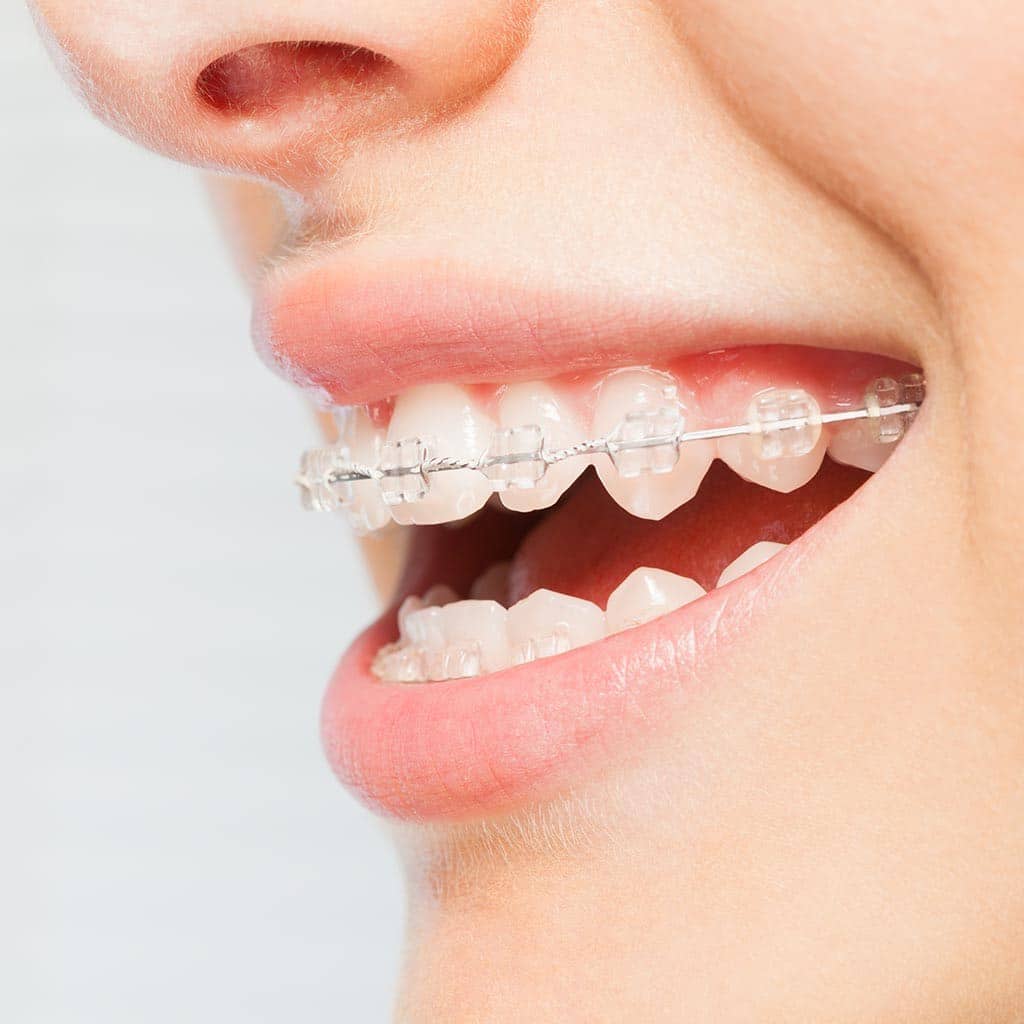
Ceramic braces offer an effective and visually subtle alternative to traditional metal braces by combining reliable orthodontic mechanics with improved cosmetic appeal. They deliver predictable tooth movement while remaining far less noticeable in everyday interactions, making them especially appealing to adults and image-conscious patients. Although ceramic brackets may introduce slightly higher friction and require more careful maintenance, their overall performance and esthetic benefits often outweigh these limitations.
Within modern orthodontics, ceramic braces are considered a core category of esthetic braces—a broader group of treatment options designed to align teeth while minimizing visual impact. Understanding how ceramic braces function, what daily care they require, and how they compare with other esthetic braces allows patients to choose a solution that balances effectiveness, appearance, and long-term stability.
As with any orthodontic treatment, a personalized evaluation by a licensed orthodontist is essential. Individual bite patterns, enamel condition, and treatment goals ultimately determine whether ceramic braces—or another form of esthetic braces—are the most appropriate choice.