Learning how to floss with braces can feel frustrating at first. Wires, brackets, and tight spaces turn a simple habit into something that feels time-consuming and complicated. Because of this, many people with braces floss less—or stop altogether—which can lead to gum problems during orthodontic treatment. This guide from Luxe Smile Studio focuses on practical adaptation: how flossing with braces works in real life, how to make it manageable, and how to stay consistent without stress.
Why Flossing Matters More When You Have Braces
Braces create additional surfaces where food particles and plaque can collect. Brushing alone cannot reach these areas effectively.
Without proper flossing:
- Plaque accumulates around brackets
- Gums become inflamed or bleed easily
- White spot lesions may form after braces are removed
- Bad breath becomes more likely
Flossing isn’t optional with braces—it’s a protective habit.
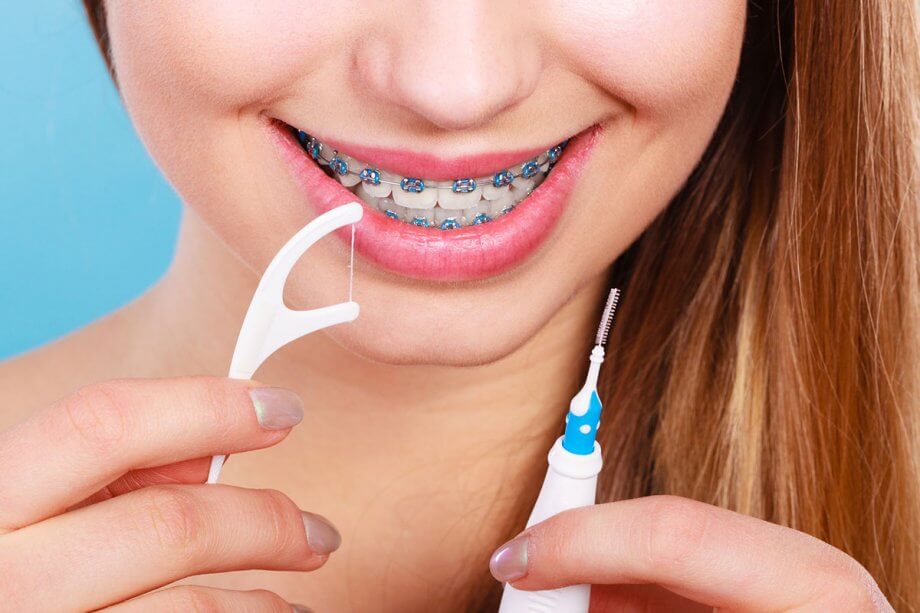
Understanding the Challenge of Flossing With Braces
The difficulty lies in the orthodontic wire, which blocks direct access between teeth. This changes how floss must be guided and controlled. When learning how to floss while you have braces, the goal is not speed, but precision:
- Guiding floss under the wire
- Cleaning along the gumline
- Reaching both sides of each tooth
Once the technique becomes familiar, the process becomes much faster.
Tools That Make Flossing With Braces Easier
While traditional floss can be used, many people benefit from tools designed for braces.
Common flossing aids include:
- Floss threaders
- Orthodontic floss with stiff ends
- Pre-threaded floss picks
- Water flossers (as a supplement, not a replacement)
The best tool is the one you’ll use consistently.
Step-by-Step: How to Floss With Braces Effectively
Here’s a practical approach that works for most people:
- Insert the floss under the wire using a threader or stiff end
- Gently slide floss between two teeth
- Curve the floss into a “C” shape around one tooth
- Clean below the gumline with gentle up-and-down motions
- Repeat on the adjacent tooth
- Remove floss carefully and move to the next space
Take your time—rushing increases the risk of snapping the floss or irritating gums.
How Long Should Flossing With Braces Take?
At first, flossing with braces may take 10–15 minutes. With practice, most people reduce this to about 5 minutes.
Speed improves as:
- Hand coordination increases
- The technique becomes automatic
- You settle into a consistent routine
The time investment pays off in healthier gums and smoother orthodontic progress.
Common Mistakes to Avoid
When learning how to floss with braces, avoid these habits:
- Skipping flossing because gums bleed (this often improves with consistency)
- Forcing floss aggressively
- Only flossing visible areas
- Relying solely on water flossers
- Flossing inconsistently
Gentle, regular flossing is far more effective than occasional intense cleaning.
Managing Gum Sensitivity During Flossing
Mild soreness or bleeding is common in the early stages, especially if flossing hasn’t been routine.
Helpful tips:
- Use gentle pressure
- Choose waxed or orthodontic floss
- Floss once daily, not multiple times aggressively
- Maintain consistent brushing habits
Persistent pain or swelling should be evaluated by a dentist or orthodontist.
Making Flossing a Sustainable Habit
Consistency matters more than perfection. To make flossing stick:
- Floss at the same time each day
- Keep flossing tools visible
- Start with a manageable pace
- Focus on progress, not speed
Many people find flossing easier at night, when there’s no rush.
The Long-Term Benefits of Proper Flossing With Braces
Developing good flossing habits during orthodontic treatment helps:
- Protect gum health
- Prevent enamel damage
- Reduce post-braces staining
- Shorten recovery after braces are removed
These benefits extend well beyond orthodontic care.
Learning how to floss with braces takes patience, but it’s a skill that quickly becomes routine. With the right tools and a realistic approach, flossing can fit naturally into daily life—even with wires and brackets in the way.
Healthy gums and a cleaner smile are worth the extra effort.