Pull up a chair, get comfortable, and let's chat. Almost every day at Luxe Smile Studio, right after I place the last bracket and clip the wire into place, a patient will look up at me in the chair and ask the golden question: "How long do you have to wear braces?" I completely understand why it's the very first thing on your mind. You are excited about your new smile, but you also want to know when the metal gets to come off! The truth is, I usually give you an estimated window—say, 18 to 24 months—but that number isn't pulled out of thin air. It is a collaborative goal. Today, I want to take you behind the scenes and explain exactly what goes into that timeline and how we work together to get your hardware off on schedule.
What I Look For Before Removing Your Hardware
When you come in for your monthly adjustments, I am not just looking to see if your front teeth look straight in the mirror. While a beautiful, straight smile is our shared goal, I am actually functioning a bit like an architect inspecting a foundation. I am checking how your upper and lower teeth lock together in the back. We call this your occlusion.
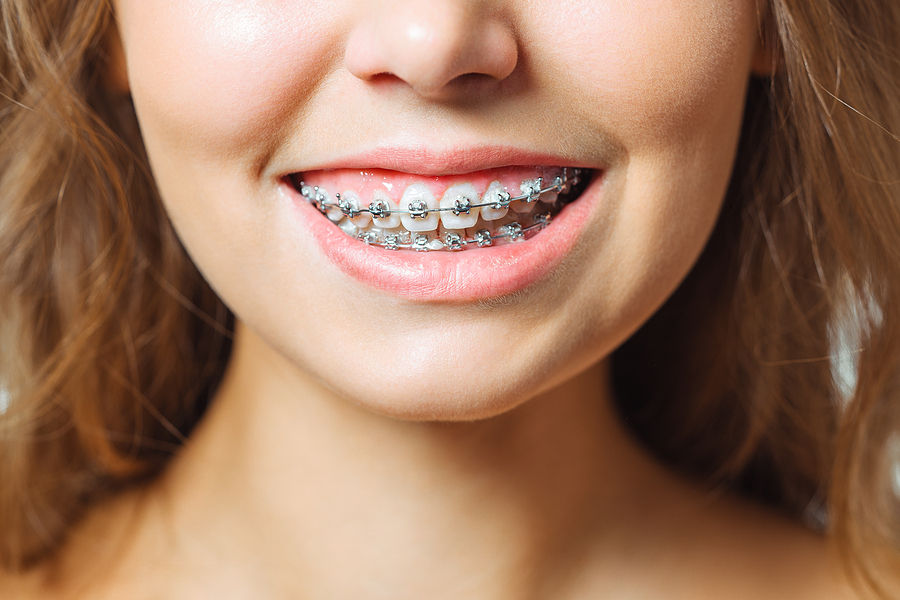
If your teeth look straight from the front but your molars are crashing into each other incorrectly, your chewing forces will eventually push your front teeth right back out of alignment. I am checking the roots of your teeth on your x-rays to ensure they are parallel and safely anchored in the bone. Getting the roots perfectly parallel takes a lot more time than just turning the visible part of the tooth. It is this hidden, structural work that takes up the bulk of your timeline. I want to make sure that when I take those braces off, your bite is healthy, functional, and built to last a lifetime.
Why How Long Do You Have to Wear Braces Varies Between Friends
It never fails—a teenager will sit in my chair and say, "But my best friend only had her braces on for a year! How long do I have to wear braces compared to her?" It is so easy to compare, but it is like comparing apples and oranges. Every single mouth is a unique puzzle.
Your friend might have just needed a few minor cosmetic tweaks—closing a small gap or rotating a single lateral incisor. Your situation might involve correcting an overbite, making room for a blocked-out canine, or fixing a crossbite where the top teeth sit inside the bottom teeth. Furthermore, bone density plays a huge role. Some people simply have denser jawbones, meaning their teeth move at a slightly slower, more stubborn pace. It has nothing to do with doing something "wrong" and everything to do with the unique way you were built.
The "Rubber Band" Factor in Your Timeline
If I had a magic wand to ensure every patient finished their treatment early, it would be getting everyone to wear their elastics (rubber bands) exactly as instructed. I cannot stress this enough: the wire aligns the teeth in each jaw, but the rubber bands are what pull the top jaw and bottom jaw together to fix the bite.
When you skip wearing your rubber bands because they feel sore or because you took them out for lunch and forgot them, your treatment hits a brick wall. We literally cannot progress to the next stage. Patients who are diligent about wearing their elastics 22 hours a day are almost always the ones who get their braces off early or right on time. When you are sitting at home wondering about your timeline, remember that those tiny rubber bands hold the keys to your freedom!
Speeding Up How Long Do You Have to Wear Braces Safely
Now, you might be asking yourself, "What else can I personally do to influence how long do you have to wear braces?" The secret is avoiding detours. Every time you crunch down on hard candy, chew on ice, or bite into a whole apple and pop a bracket off your tooth, we lose about a month of progress.
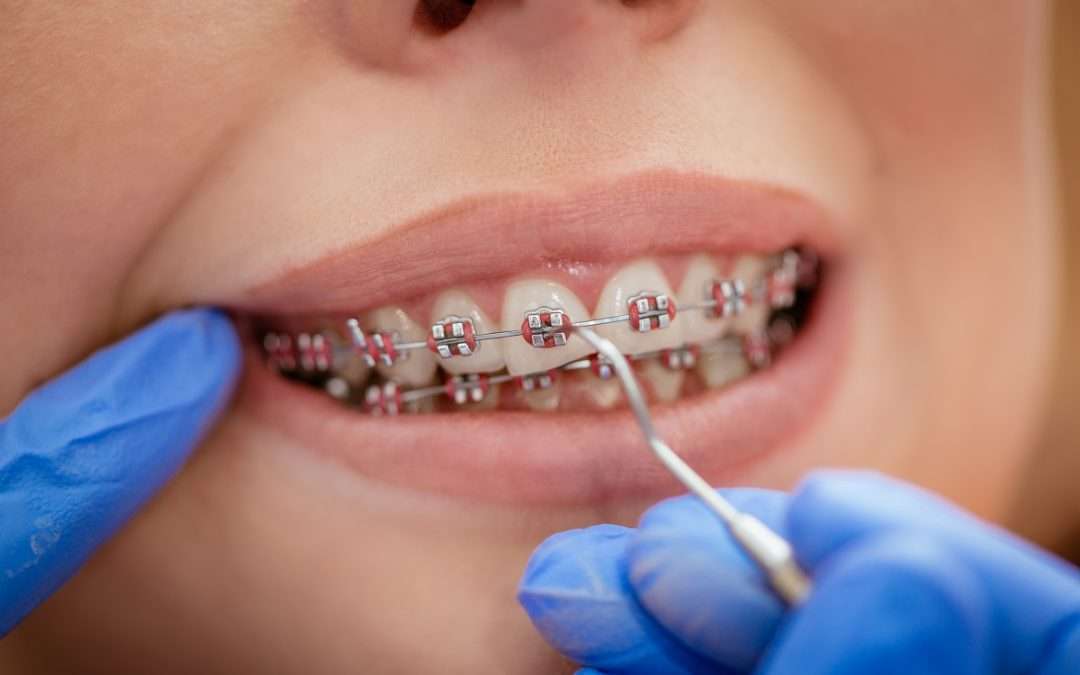
When a bracket breaks, that specific tooth stops moving and starts drifting backward. By the time you come in to get it fixed, I have to drop back to a thinner, weaker wire to re-engage that tooth, essentially rewinding the clock. By simply following the food rules, keeping your teeth impeccably clean so we don't have to stop treatment to fix cavities, and showing up to all your scheduled appointments, you keep the momentum moving forward. It really is a team effort!
At the end of the day, your orthodontic journey is completely customized to you. While the average time hovers around a year and a half to two years, your dedication to avoiding broken brackets, showing up to your appointments, and wearing those pesky elastics makes all the difference in the world. We are going to get there, and when we finally polish that glue off your teeth, you will see that the time spent was entirely worth the result.