Metal braces are one of the most well-known orthodontic treatments—and for good reason. Even with the rise of clear aligners and ceramic options, metal braces remain a reliable, effective way to straighten teeth and correct bite problems. This article walks through what metal braces are like in real life, who benefits most from them, and how the experience changes from the first appointment at Luxe Smile Studio to the final results.
Why Metal Braces Are Still Widely Used Today
Despite newer orthodontic systems, metal braces continue to be recommended by orthodontists around the world. Their popularity isn’t about tradition—it’s about performance.
Metal braces are often chosen because they:
- Deliver strong, consistent tooth movement
- Work well for simple and complex cases
- Do not rely on patient compliance
- Are durable and predictable
For many patients, especially teens and younger adults, metal braces provide the most efficient path to a healthy, aligned smile.

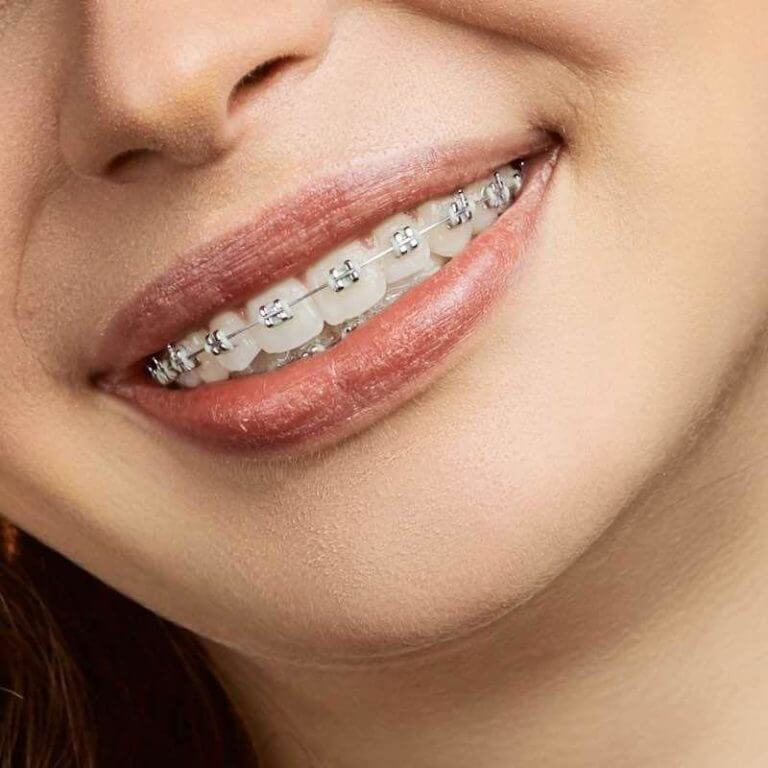
What Metal Braces Are Made Of
Modern metal braces are very different from older versions. Today’s systems use:
- High-grade stainless steel brackets
- Smooth, flexible archwires
- Small elastic bands (ligatures) to hold wires in place
These materials are designed to reduce irritation, resist corrosion, and apply controlled pressure to guide teeth into proper alignment.
What the First Few Weeks With Metal Braces Feel Like
The initial adjustment period is often the most noticeable phase of treatment.
Early sensations may include
- Pressure on the teeth
- Mild soreness when chewing
- Tightness after adjustments
- Irritation on cheeks or lips
These feelings usually peak within the first few days and gradually fade as your mouth adapts. Orthodontic wax and soft foods help make this stage more comfortable.
Daily Life With Metal Braces
Once you’re past the adjustment phase, metal braces become part of your routine.
Eating with metal braces
You can still enjoy most foods, but it’s best to avoid:
- Hard foods like ice or nuts
- Sticky foods like gum or caramel
- Biting directly into very crunchy items
Cutting food into smaller pieces helps protect brackets and wires.
Cleaning your teeth
Good oral hygiene is essential:
- Brush after meals
- Use interdental brushes
- Floss daily with floss threaders or a water flosser
Clean teeth reduce treatment time and prevent stains around brackets.
How Metal Braces Move Teeth Over Time
Metal braces work by applying steady pressure that encourages teeth to shift gradually. Over weeks and months, this pressure allows the bone around the teeth to remodel.
Treatment typically progresses through stages:
- Initial alignment
- Space correction
- Bite adjustment
- Fine-tuning and detailing
Each stage builds on the last, leading to long-term stability when followed by proper retainer use.
Metal Braces Compared to Other Orthodontic Options
Metal braces are not the most discreet option, but they excel in effectiveness.
- Compared to ceramic braces: more durable and less prone to breakage
- Compared to clear aligners: better for complex tooth movements
- Compared to lingual braces: more affordable and easier to maintain
For patients prioritizing results over appearance, metal braces treatment are often the top choice.
How Long Do You Typically Wear Metal Braces?
Treatment time varies based on individual needs, but most patients wear metal braces for:
- 18 to 24 months on average
- Shorter for minor alignment issues
- Longer for complex bite correction
Regular appointments and good care can help keep treatment on schedule.
Life After Metal Braces: Why Retainers Matter
Once braces are removed, teeth naturally want to shift back. Retainers are essential to protect your results.
Options include:
- Clear removable retainers
- Traditional wire retainers
- Fixed retainers bonded behind teeth
Consistent retainer use is what turns orthodontic treatment into a lasting success.
Metal braces remain one of the most effective and dependable orthodontic treatments available. While they may be more visible than newer options, they offer strength, precision, and reliable results for a wide range of dental issues. Understanding what to expect—from the first adjustment to life after braces—can make the experience smoother and more rewarding.
A consultation with an orthodontist is the best way to determine whether metal braces are the right choice for your smile.