A dental x-ray is one of the most fundamental tools in modern dentistry, yet it is often misunderstood by patients. Unlike a visual exam, which only shows what’s happening on the surface, dental x-rays reveal hidden structures that determine whether a mouth is truly healthy—or quietly developing problems. This article from Luxe Smile Studio explains the role of dental x-rays from a diagnostic perspective, focusing on why they matter, what they uncover, and how they influence treatment decisions.
Seeing Beyond the Tooth Surface
Even the healthiest-looking smile can conceal issues below the gumline or inside the tooth. A dental x-ray allows dentists to examine areas that are otherwise invisible, including:
- Tooth roots
- Jawbone structure
- Spaces between teeth
- Developing or unerupted teeth
- Areas beneath existing restorations
Without imaging, many dental conditions would go undetected until they become painful or complex to treat.
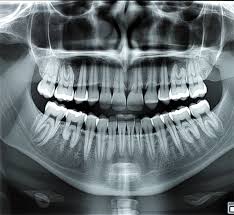
What Information a Dental X-Ray Actually Provides
A dental x-ray does more than confirm the presence of a cavity. It contributes to a broader diagnostic picture.
Key insights gained from dental x-rays include:
- Early tooth decay before it reaches the nerve
- Bone loss associated with gum disease
- Infections at the root tip
- Cracks or trauma not visible externally
- Alignment issues affecting bite and jaw balance
These findings often guide decisions long before symptoms appear.
Different X-Rays, Different Diagnostic Goals
Not all dental x-rays serve the same purpose. Dentists select imaging based on what they need to evaluate.
Some x-rays focus on:
- Individual teeth and surrounding bone
- Entire arches and jaw joints
- Tooth development in children
- Pre-treatment planning for orthodontics or implants
The type of dental x-ray chosen reflects the clinical question being asked.
How Dental X-Rays Influence Treatment Planning
A dental x-ray rarely stands alone. It works in combination with clinical exams, patient history, and symptoms.
Based on x-ray findings, a dentist may:
- Monitor a condition instead of treating immediately
- Recommend preventive care
- Adjust an existing treatment plan
- Identify the need for specialist referral
In many cases, x-rays help avoid unnecessary procedures by confirming that structures are healthy.
Radiation Exposure: Putting Risk Into Context
One of the most common concerns about dental x-rays involves radiation. Modern dental imaging uses very low radiation levels, especially with digital technology.
Key points patients should understand:
- Exposure from a dental x-ray is minimal
- Protective measures (lead aprons, thyroid collars) are standard
- The diagnostic benefit outweighs the risk when x-rays are used appropriately
Organizations such as the ADA and NHS support dental x-rays when clinically justified.
How Often Are Dental X-Rays Needed?
There is no universal schedule. The frequency of dental x-rays depends on individual factors, such as:
- Age
- Cavity risk
- Gum health
- Presence of restorations
- History of dental disease
A patient with ongoing issues may need x-rays more often than someone with consistently stable oral health.
Dental X-Rays in Preventive Dentistry
Preventive care is not only about cleanings and fluoride. Dental x-rays play a quiet but essential role in prevention by identifying problems early—often before discomfort begins.
Early detection can:
- Reduce treatment complexity
- Lower long-term costs
- Preserve natural tooth structure
- Improve long-term oral health outcomes
From this perspective, x-rays are a preventive tool, not just a diagnostic one.
When Dental X-Rays Are Especially Important
Certain situations make dental x-rays particularly valuable, including:
- Persistent tooth pain without visible cause
- Trauma or injury to the mouth
- Planning implants, crowns, or orthodontic treatment
- Monitoring bone changes over time
In these cases, imaging often determines whether treatment succeeds or fails.
A Balanced View of Dental X-Rays
Dental x-rays are neither excessive nor optional—they are selective tools used with clinical judgment. When recommended appropriately, they support safer, more accurate dental care.
Patients who understand their purpose are better equipped to participate in informed decisions about their oral health.
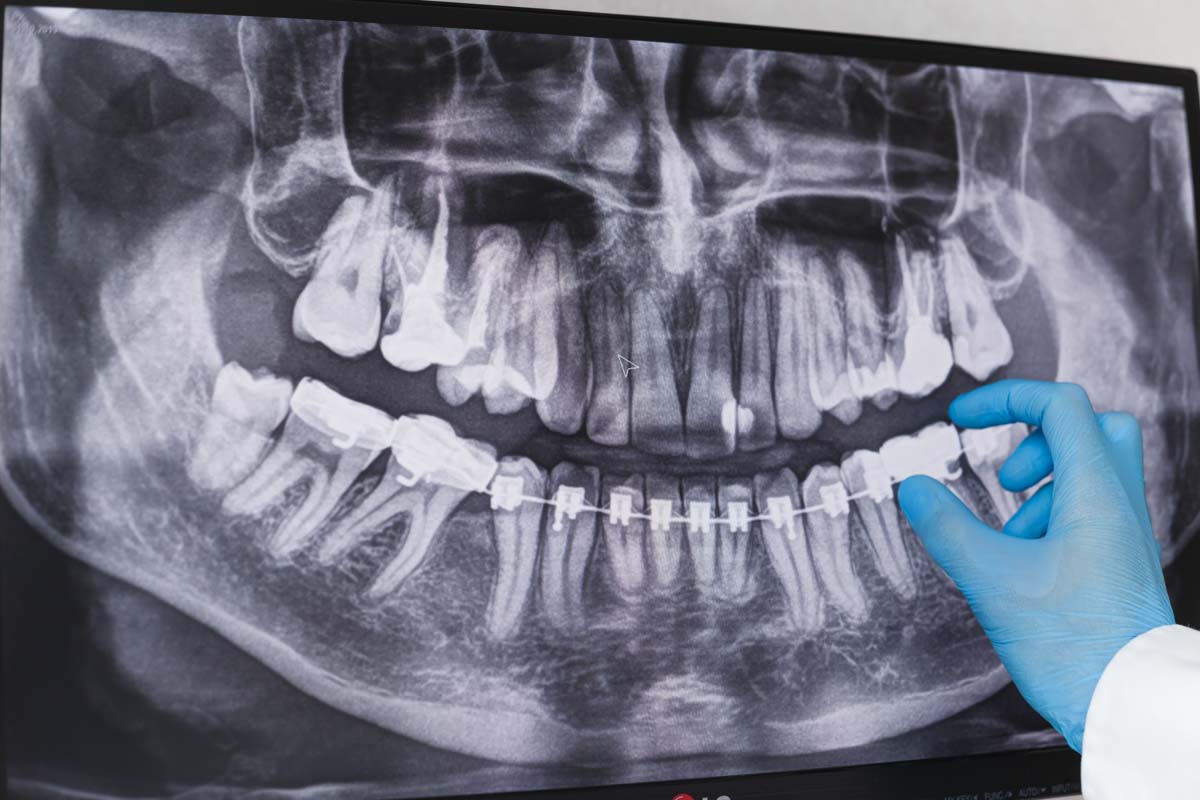
A getting X-rays at the dentist is not about finding problems—it’s about understanding the full picture. By revealing what cannot be seen during a routine exam, dental x-rays help dentists diagnose earlier, treat more precisely, and plan more responsibly.
When used thoughtfully, they are one of the most valuable tools in dentistry.