This edition of the Luxe Smile Studio research synthesis examines the extensive body of academic literature surrounding periodontal debridement methodologies. The comparative efficacy of varying instrumentation modalities has been a subject of rigorous investigation within clinical periodontology. Specifically, the literature frequently contrasts the clinical outcomes achieved through traditional manual hand instrumentation against those achieved via contemporary powered ultrasonic devices. This comprehensive review interprets the data from prominent clinical trials and meta-analyses to objectively evaluate the parameters of success, clinical attachment levels, and operative efficiency associated with teeth scaling.
Methodological Variances in Teeth Scaling Studies
To accurately interpret the data and fully define what is dental scaling in a clinical context, it is necessary to establish the methodological frameworks utilized in comparative studies. Clinical trials investigating teeth scaling generally employ a split-mouth design, wherein distinct quadrants of a single patient’s oral cavity are randomly assigned to either manual curettage or ultrasonic debridement. This design meticulously controls for patient-specific systemic variables, such as immune competency and oral hygiene practices.
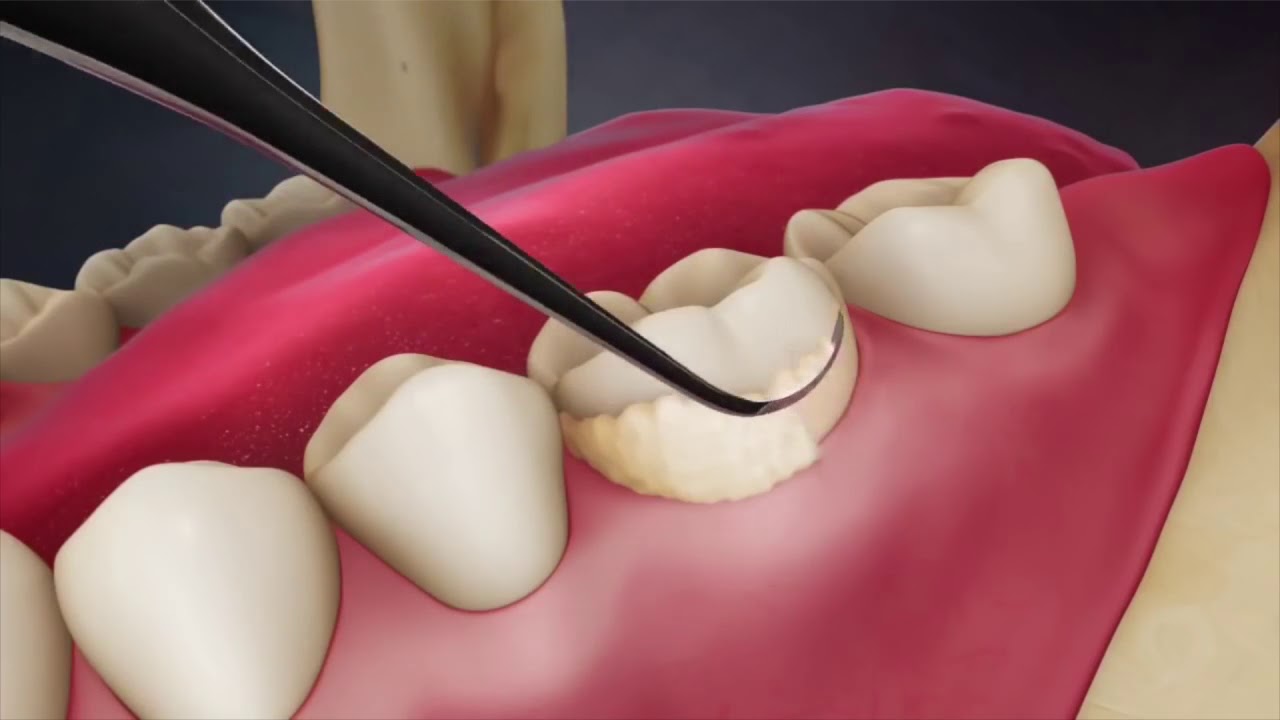
The primary outcome variables measured across the literature include reductions in Probing Pocket Depth (PPD), gains in Clinical Attachment Level (CAL), and decreases in Bleeding on Probing (BOP). Researchers standardize these measurements using calibrated periodontal probes before the intervention and at sequential intervals, typically one, three, and six months post-therapy. Furthermore, sophisticated studies incorporate microbiological sampling to quantify the reduction in specific periopathogens, alongside scanning electron microscopy (SEM) to evaluate the physical topographical changes induced on the root cementum by the respective instruments.
Comparative Efficacy of Teeth Scaling Modalities
The consensus drawn from numerous systematic reviews yields compelling data regarding the comparative efficacy of these two modalities. When evaluating the primary clinical endpoints—specifically the reduction of PPD and the resolution of gingival inflammation (BOP)—the literature demonstrates no statistically significant difference between manual and ultrasonic teeth scaling. Both methodologies, when executed by proficient clinicians, are highly effective in disrupting the subgingival biofilm and removing mineralized calculus, leading to a comparable and successful resolution of periodontal inflammation.
However, divergence in the data appears when analyzing operational efficiency and anatomical accessibility. Research supported by institutions such as the NHS highlights that ultrasonic instrumentation requires statistically significantly less clinical time per tooth compared to manual scaling. Furthermore, studies focusing on complex anatomical structures, such as multi-rooted molars with furcation involvements, report that the narrower diameter of ultrasonic tips allows for superior penetration and debridement of these confined spaces, where the bulkier blades of manual curettes struggle to adapt effectively.
Analysis of Histological Trauma
A critical sub-sect of the research focuses on the iatrogenic alterations made to the root surface during the procedure. The historical objective of scaling often included achieving a "glassy smooth" root surface, which required the intentional removal of infected cementum.

Contemporary SEM analyses comparing the two modalities reveal distinct morphological outcomes. Manual teeth scaling, utilizing sharp steel curettes, tends to remove a greater volume of root cementum, often leaving a remarkably smooth surface but occasionally resulting in deeper gouges if poorly adapted. Conversely, ultrasonic scaling has been shown to be more conservative of the root structure. While it leaves a microscopically rougher, stippled surface compared to hand instruments, histological studies have proven that this micro-roughness does not impede the reattachment of periodontal fibroblasts. The current academic consensus suggests that the extensive removal of cementum is biologically unnecessary for tissue healing, thereby validating the more conservative, tissue-sparing approach typical of ultrasonic instrumentation.
The synthesis of current periodontal research affirms that both manual and ultrasonic instrumentation are clinically valid and highly effective modalities for the treatment of periodontal disease. While neither demonstrates overwhelming superiority in ultimate healing outcomes, ultrasonic scaling presents measurable advantages in time efficiency, the conservation of root cementum, and accessibility in complex anatomical regions. The literature strongly supports a blended approach utilizing both technologies in modern clinical practice.