Maintaining optimal oral health is crucial, and many people wonder if it's possible to scale teeth at home. While professional dental cleaning is irreplaceable, there are effective methods to help manage plaque and tartar build-up between visits to the dentist. This guide from Luxe Smile Studio will cover what scaling is, why it’s necessary, and how to safely scale your teeth at home.
What is Scaling?
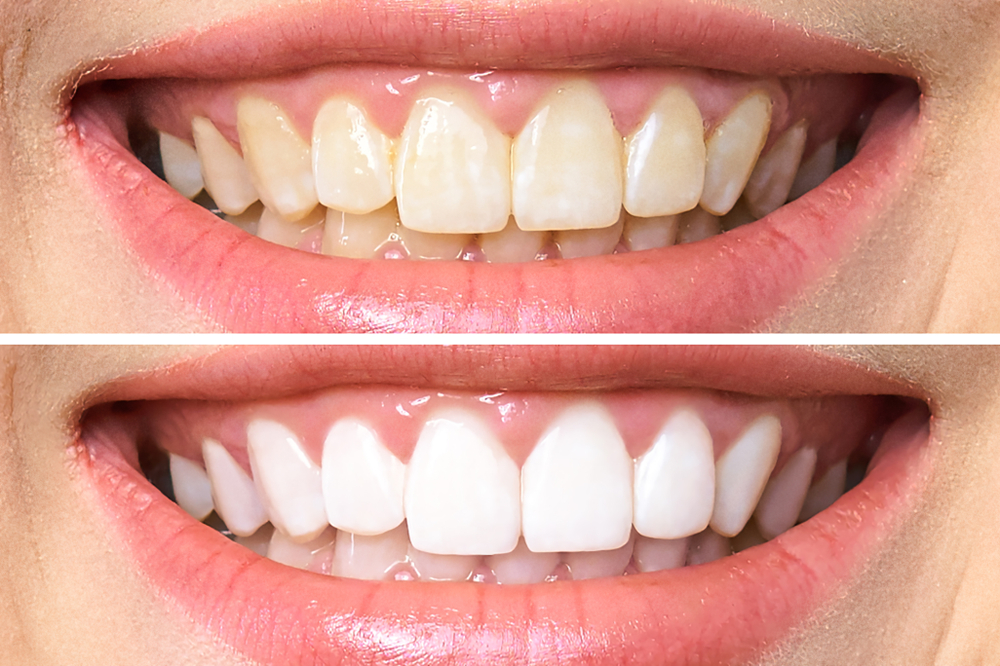
Scaling refers to the dental procedure that removes plaque and tartar from the surface of the teeth, particularly below the gum line. This build-up can lead to gum disease, cavities, and bad breath if not managed properly. Regular scaling, usually performed by a dentist or dental hygienist, is essential for maintaining good oral health.
Why is Scaling Important?
- Prevents Gum Disease: Bacteria in plaque can cause inflammation, leading to gingivitis or more severe periodontal disease.
- Improves Oral Hygiene: Regular scaling contributes to overall cleanliness and fresher breath.
- Protects Tooth Enamel: Removing buildup helps to protect enamel from decay.
Can You Scale Teeth at Home?
When considering scaling teeth at home, it is important to note that while professional dental tools are designed for safe and effective scaling, there are ways to cautiously support your oral hygiene routine yourself. Here’s how you can do it safely:
1. Use a Dental Scaling Tool
You can find dental scaling tools online or at pharmacies. If you choose to use one:
- Sterilize the Tool: Always clean your tools before use to avoid introducing bacteria.
- Gentle Technique: Use the scaler to gently scrape away plaque. Avoid applying too much pressure to prevent damaging your enamel or gums.
2. Invest in an Ultrasonic Cleaner
Ultrasonic cleaners can effectively dislodge plaque and tartar. These devices use ultrasonic vibrations:
- Follow Instructions: Always adhere to the user manual when using these devices.
- Avoid Overuse: Don’t overuse at-home devices; they should complement, not replace, professional care.
3. Maintain a Clean Oral Routine
Besides scaling, a robust daily routine can help prevent plaque buildup:
- Brush Twice Daily: Use fluoride toothpaste and a soft-bristled toothbrush. Focus on all surfaces of your teeth for at least two minutes.
- Floss Daily: Flossing removes food particles and plaque between teeth where your toothbrush may not reach.
4. Use Mouthwash
Incorporating antibacterial mouthwash into your routine can help control bacteria:
- Choose an Alcohol-Free Product: This helps to avoid drying out the mouth while still killing harmful bacteria.
- Rinse After Brushing: Use mouthwash after brushing and flossing for the best results.
5. Diet Considerations
Your diet plays a vital role in oral health:
- Limit Sugary Foods: Reducing sugar intake can minimize plaque formation.
- Eat Crunchy Fruits and Vegetables: Foods like apples and carrots encourage saliva production and can help scrub the teeth naturally.
6. Regular Dental Visits
While you can perform certain practices at home, regular check-ups with your dentist are irreplaceable:
- Professional Cleaning: Dentists have the tools and expertise to remove stubborn tartar effectively.
- Check for Issues: Regular visits help identify any dental problems early on.

If you find yourself wondering, "Can teeth scaling be done at home?", it is important to know that while gentle maintenance can complement your oral hygiene routine, it should not replace regular visits to your dentist. Using the appropriate tools, maintaining a consistent cleaning regimen, and making wise dietary choices can help maintain your dental health. Always consult with your dentist if you have concerns about plaque or scaling techniques. Remember, a bright, healthy smile starts with great habits!