Does Scaling Whiten Teeth? Understanding What Professional Cleaning Really Changes
Many people notice their teeth look brighter after a dental cleaning and immediately wonder: does scaling whiten teeth in the same way whitening treatments do? The answer depends on how you define “whiter” and what kind of discoloration you’re dealing with. This article from Luxe Smile Studio clarifies what scaling actually removes, why teeth may appear lighter afterward, and where the limits of scaling lie.
What “Scaling” Means in Dental Care
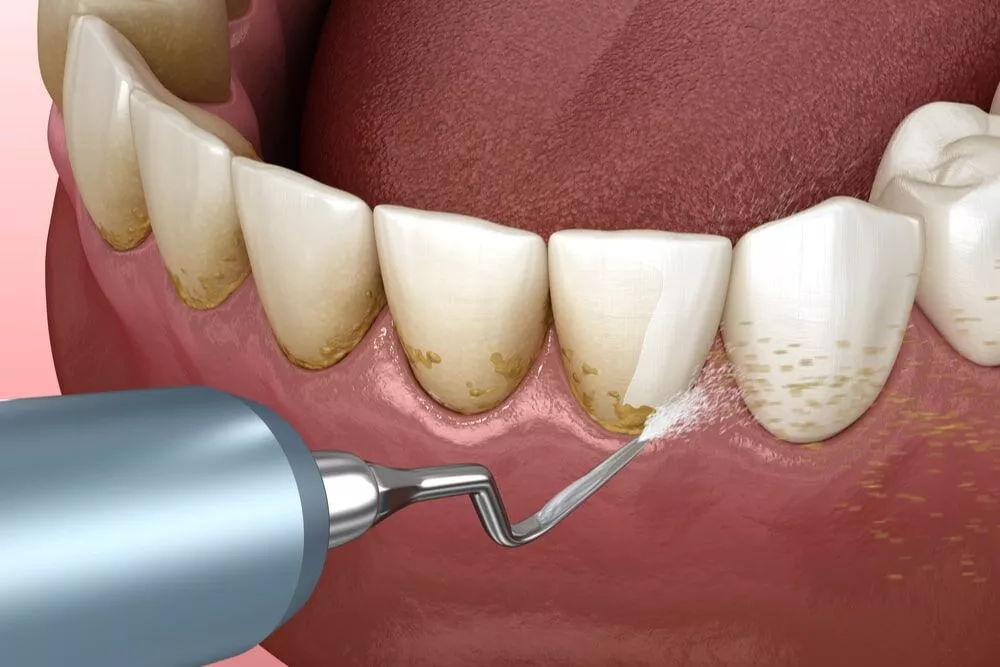
Scaling is a professional dental procedure focused on removing:
- Plaque buildup
- Hardened tartar (calculus)
- Bacterial deposits along and below the gumline
Its primary goal is gum health and disease prevention, not cosmetic whitening. However, the visual changes it creates often lead to confusion.
Why Teeth Sometimes Look Brighter After Scaling
When people ask does scaling whiten teeth, they are often reacting to a visible difference rather than a chemical change.
Scaling removes surface stains caused by:
- Coffee and tea
- Tobacco
- Red wine
- Pigmented foods
Once these deposits are removed, the natural tooth color underneath becomes more visible, creating a cleaner and sometimes lighter appearance.
Scaling vs Whitening: A Fundamental Difference
To understand whether scaling truly whitens teeth, it’s important to separate two processes.
- Scaling: removes external buildup and stains
- Whitening: alters the internal color of tooth enamel using bleaching agents
Scaling does not change the intrinsic shade of the tooth. It reveals, rather than modifies, your natural enamel color.
Does Scaling Whiten Teeth Permanently?
Any brightness gained from scaling depends on habits and oral hygiene.
After scaling:
- Teeth may appear cleaner immediately
- Stains can return if lifestyle factors persist
- Regular cleanings help maintain results
Scaling improves the baseline, but it does not provide permanent whitening effects.
Situations Where Scaling Makes the Biggest Visual Difference
Scaling tends to produce noticeable changes when:
- Heavy tartar has accumulated
- Surface staining is the main issue
- Gum inflammation has caused discoloration near the gumline
In these cases, patients often perceive their teeth as significantly “whiter,” even though the enamel shade remains unchanged.
When Scaling Will Not Make Teeth Whiter
There are limits to what scaling can achieve.
Scaling will not:
- Lighten genetically darker enamel
- Remove deep internal stains
- Reverse discoloration from trauma or medications
- Replace professional whitening treatments
Understanding these limits helps prevent unrealistic expectations.
The Role of Polishing After Scaling
Many cleanings include polishing after scaling, which smooths the enamel surface.
Polishing:
- Enhances shine
- Reduces surface roughness
- Helps delay future stain buildup
This finishing step contributes to the post-cleaning brightness people often associate with whitening.
Managing Expectations About Tooth Color
If your goal is cosmetic whitening, scaling should be seen as a foundation, not the final step.
Dentists often recommend:
- Scaling before any whitening procedure
- Addressing gum health first
- Evaluating enamel shade after cleaning
This sequence ensures safer and more predictable cosmetic results.
So, Does Scaling Whiten Teeth?
In practical terms:
- Scaling does not bleach teeth
- It removes stains that dull tooth color
- Teeth may appear whiter because they are cleaner
The improvement is real, but the mechanism is different from whitening treatments.
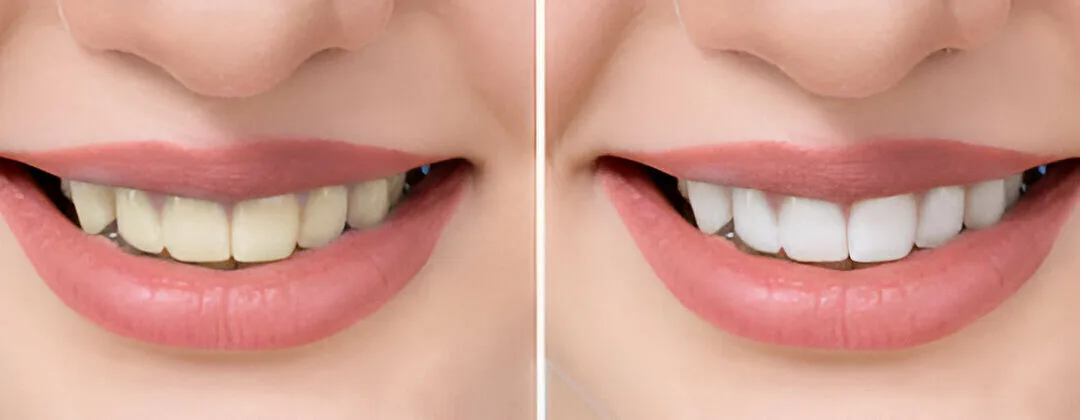
Scaling plays an essential role in oral health and can noticeably improve the appearance of your teeth. For patients wondering, "does scaling teeth whiten them" the reality is that while it doesn’t change the natural shade of enamel, it often reveals a cleaner, brighter smile that many people mistake for whitening. For lasting and significant color changes, professional whitening remains a separate consideration.