The Tribology of Spices: Engineering Analysis of Turmeric Teeth Whitening Abrasivity
Welcome to Luxe Smile Studio In the field of dental materials engineering, the interaction between a dentifrice and the substrate (enamel) is defined by tribology—the study of friction, wear, and lubrication. The utilization of particulate matter such as Curcuma longa rhizome powder for turmeric teeth whitening presents a specific set of mechanical variables. To technically assess is turmeric good or bad for your teeth?, we must quantify the particle size distribution, the Mohs hardness of the abrasive, and the shear forces applied during the hygiene cycle. This analysis focuses on the structural integrity of the enamel prism under the load of herbal abrasives.
Particle Granulometry and RDA Values
The safety of any whitening powder is indexed by the Relative Dentin Abrasivity (RDA).
Mechanical Scouring Potential
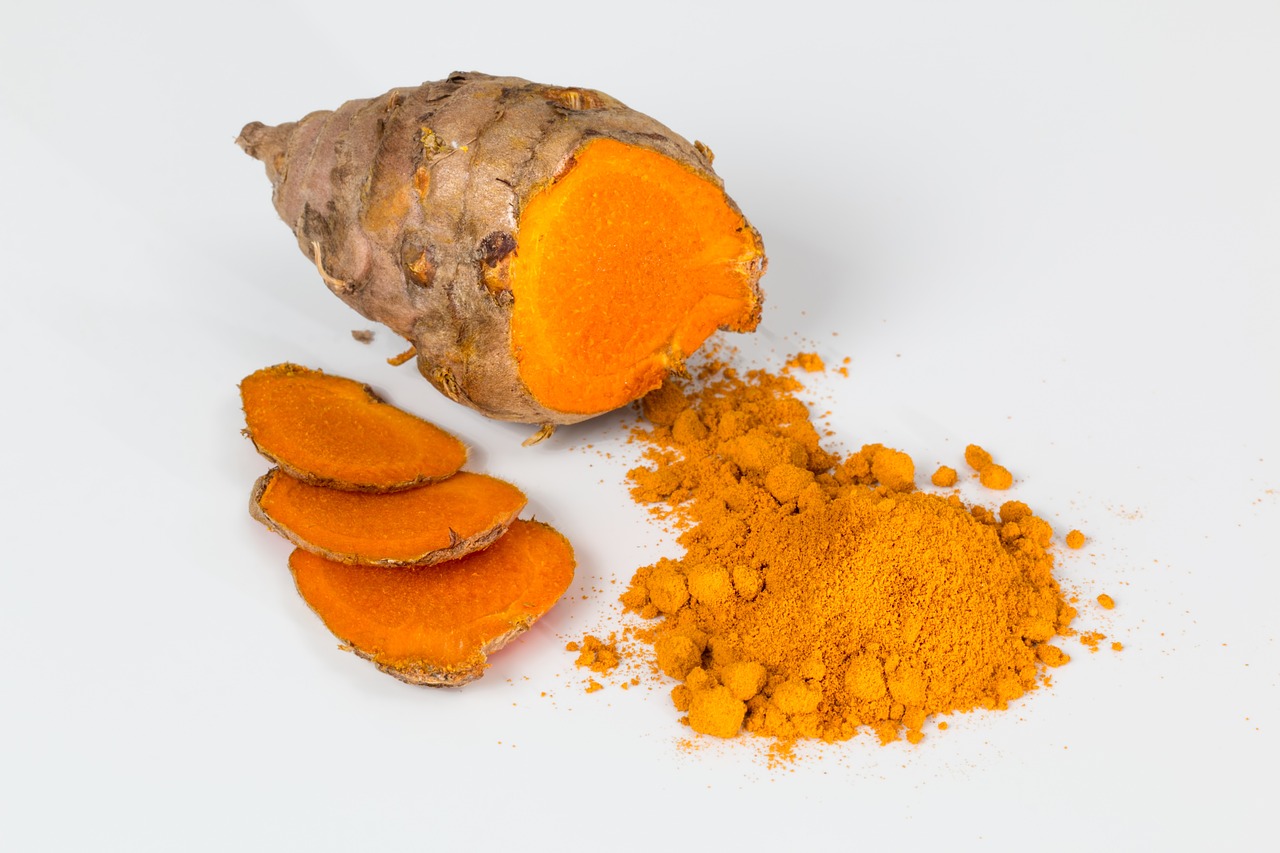
Turmeric powder typically consists of fibrous and starch-based particles. While softer than silica (the standard abrasive in commercial toothpaste), the particle morphology of turmeric can be irregular. Under scanning electron microscopy (SEM), low-grade turmeric powders may exhibit larger, coarser granule sizes. When subjected to the shear force of a toothbrush bristle (approx. 150-200g of pressure), these particles act as micro-planes. For turmeric teeth whitening to be effective without being destructive, the powder must be milled to a mesh size that polishes rather than gouges. If the particle size exceeds 20 microns, the risk of enamel abrasion increases, potentially leading to increased surface roughness ($Ra$) and subsequent wear of the prism caps.
Interaction with Polymer-Based Restorations
A critical engineering failure mode in natural whitening involves restorative materials.
Sorption and solubility
Composite resins used in bonding and fillings possess a specific water sorption value. They are polymer matrices. Curcumin, the active chromophore in turmeric, is a low-molecular-weight polyphenol that can diffuse into the polymer matrix of the composite.
Unlike enamel, which is relatively impermeable, resins can absorb the yellow pigment permanently. From a technical standpoint, the answer to "is turmeric good or bad for your teeth?" shifts to "bad" if the dentition contains anterior class III or IV restorations. The chemical affinity of curcumin for the resin matrix results in irreversible discoloration, necessitating the mechanical replacement of the restoration.
Mohs Hardness Differential
We must compare the hardness of the abrasive to the substrate.
Enamel (5) vs. Dentin (2.5) vs. Turmeric (variable)
Enamel has a Mohs hardness of ~5. Dried turmeric root is significantly softer. Therefore, on sound enamel, turmeric teeth whitening operates within safety margins regarding gross abrasion. However, at the cemento-enamel junction (CEJ) where softer dentin is exposed, the mechanical safety margin decreases. Repeated friction with any particulate matter on exposed dentin can accelerate cervical wear (abfraction/abrasion lesions).
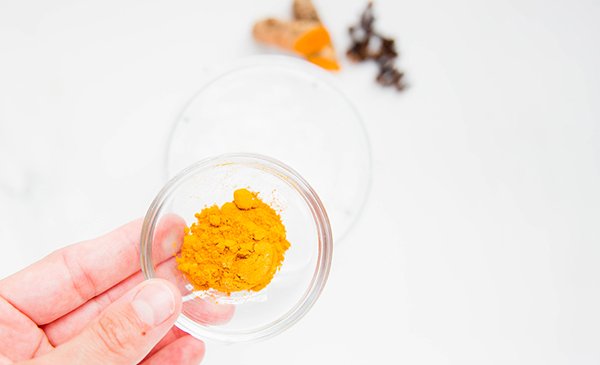
Technically, turmeric is a mild abrasive with high staining potential for polymers. When evaluating how to whiten teeth naturally with turmeric, its utility as a whitening agent is derived from mechanical surface cleaning rather than chemical bleaching. The engineering recommendation is to restrict usage to sound enamel surfaces and avoid contact with polymer-based restorations to prevent chromatic failure.